

15.06.2026.
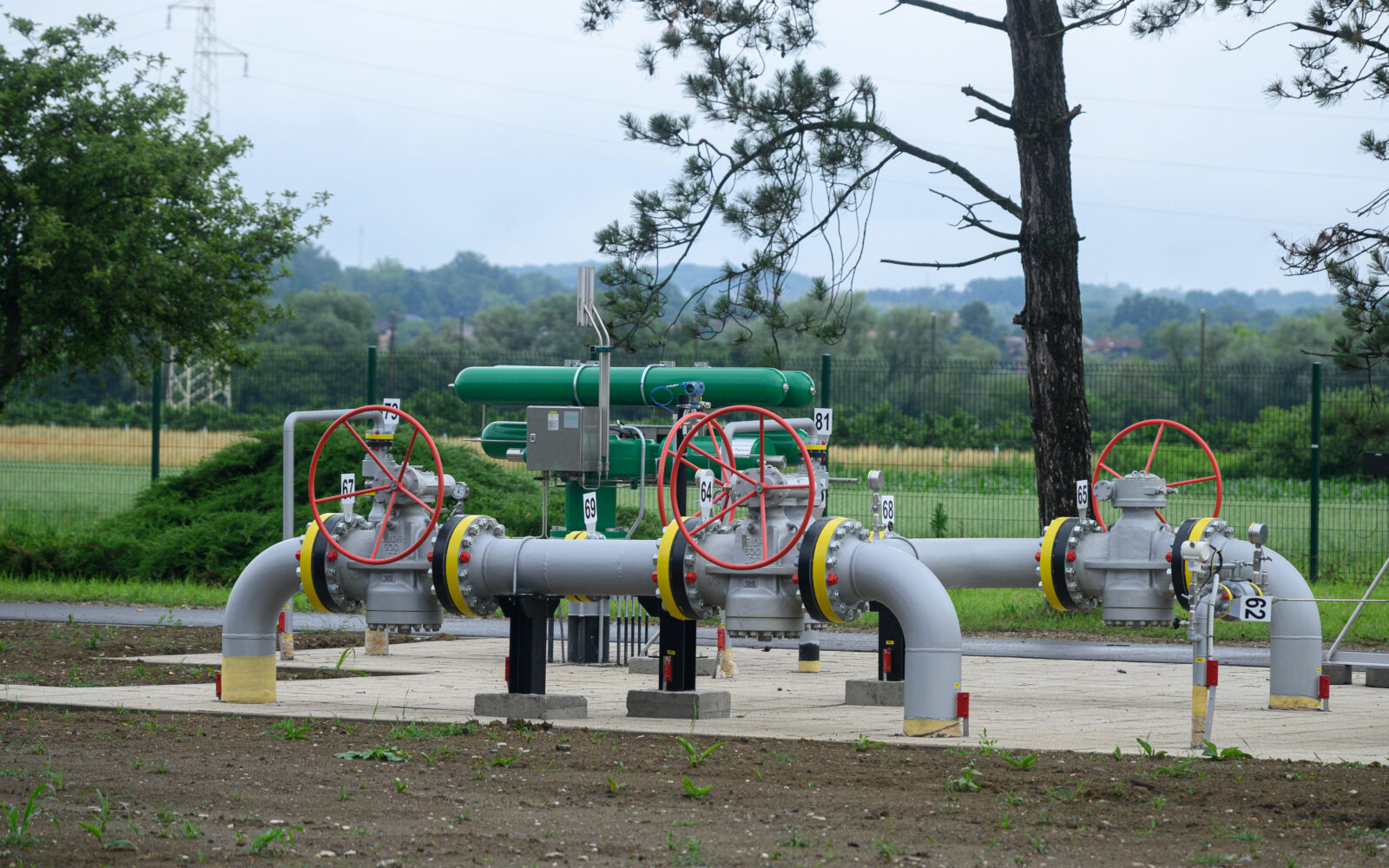
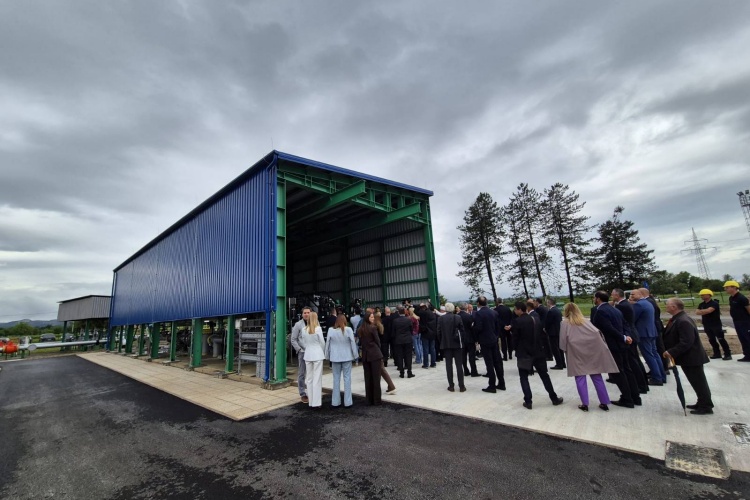
The director of the Fund attended the ceremony marking the completion of works on the Zabok - Lučko main gas pipeline, which was built as part of Plinacro's ongoing gas infrastructure strengthening project.On this occasion, Prime Minister Andrej Plenković emphasised that the project, worth almost 80 million euros, was implemented within the stipulated deadlines. He pointed out that this investment would further strengthen Croatia's energy security, confirming its role as a regional transport hub.
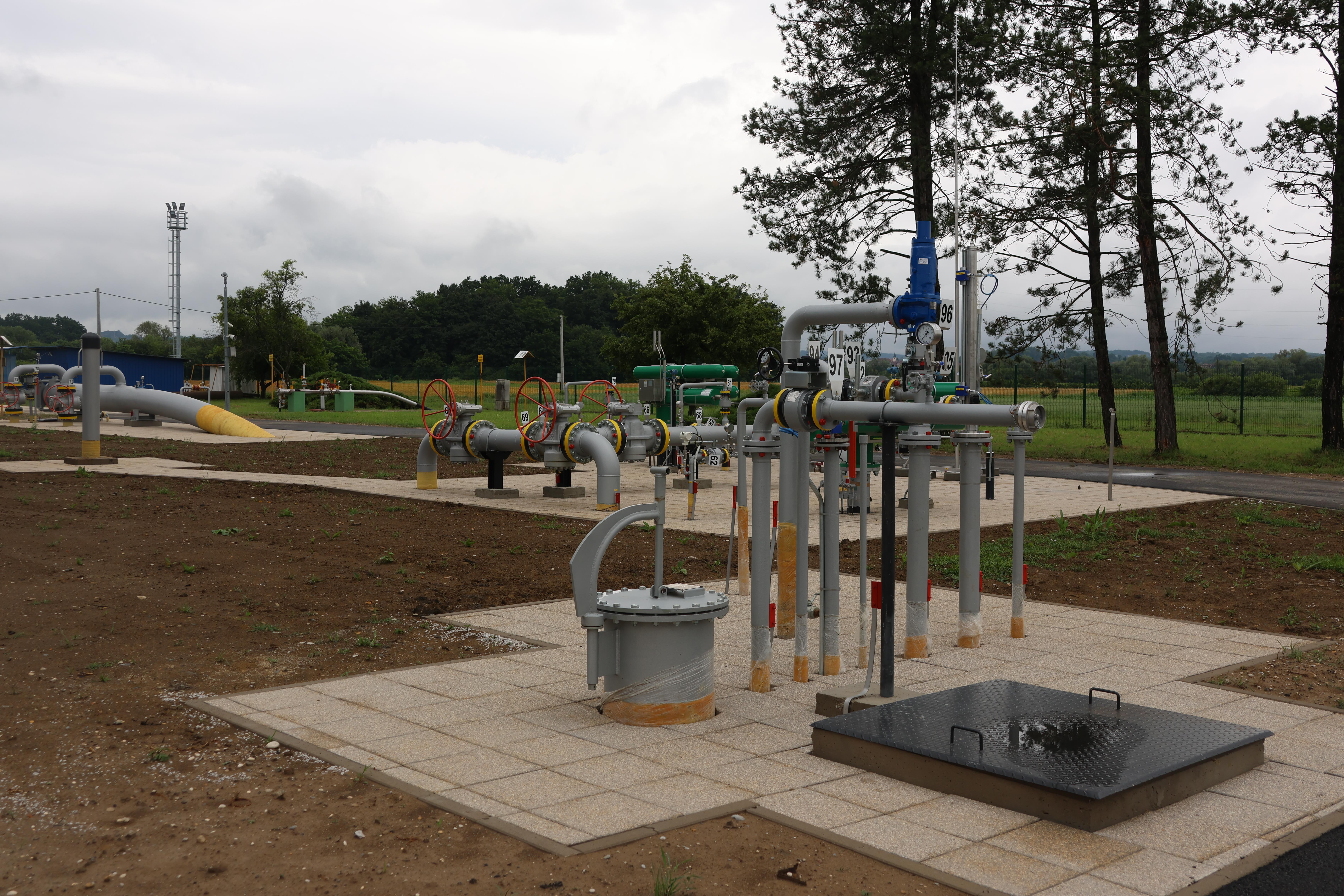
Ivica Aar, president of the Board of Plinacro, underlined that it was one of the most important and technically complex projects of the Croatian gas transmission system, the route of which passes under the Sava and Krapina rivers, the railway line and the freeway, with minimal impact on the environment thanks to the route within the existing gas pipeline corridor.
The Zabok - Lučko gas pipeline is part of a wider package of strengthening gas infrastructure with a total value of EUR 533 million, which also includes the Zlobin - Bosiljevo, Bosiljevo - Sisak and Kozarac - Sisak gas pipelines, and is financed by the Recovery and Resilience Facility as part of the National Recovery and Resilience Plan (NRRP) and the REPowerEU initiative.
With the commissioning of the newly built 36-kilometer-long gas pipeline, the capacity of natural gas transport to Slovenia will increase from the current 260 to 876 million m³/year. This directly enables the full use of the expanded capacities of the LNG terminal on Krk, which is increasing from the current 2.9 to 6.1 billion cubic meters of gas per year. thus strengthening Croatia's position as a regional energy hub and a reliable supplier to Central and Southeastern Europe.
In this project, the Environmental Protection and Energy Efficiency Fund, in the capacity of an Intermediate Body, is one of the key links in the institutional system of management of NRRP funds. The director of the Fund commented that the importance of this project, in addition to the expansion of the gas transmission system itself, was in the fact that the newly built infrastructure would also be able to be used for hydrogen transport in the future, thus further contributing to the goals of the green transition.