07.10.2026.
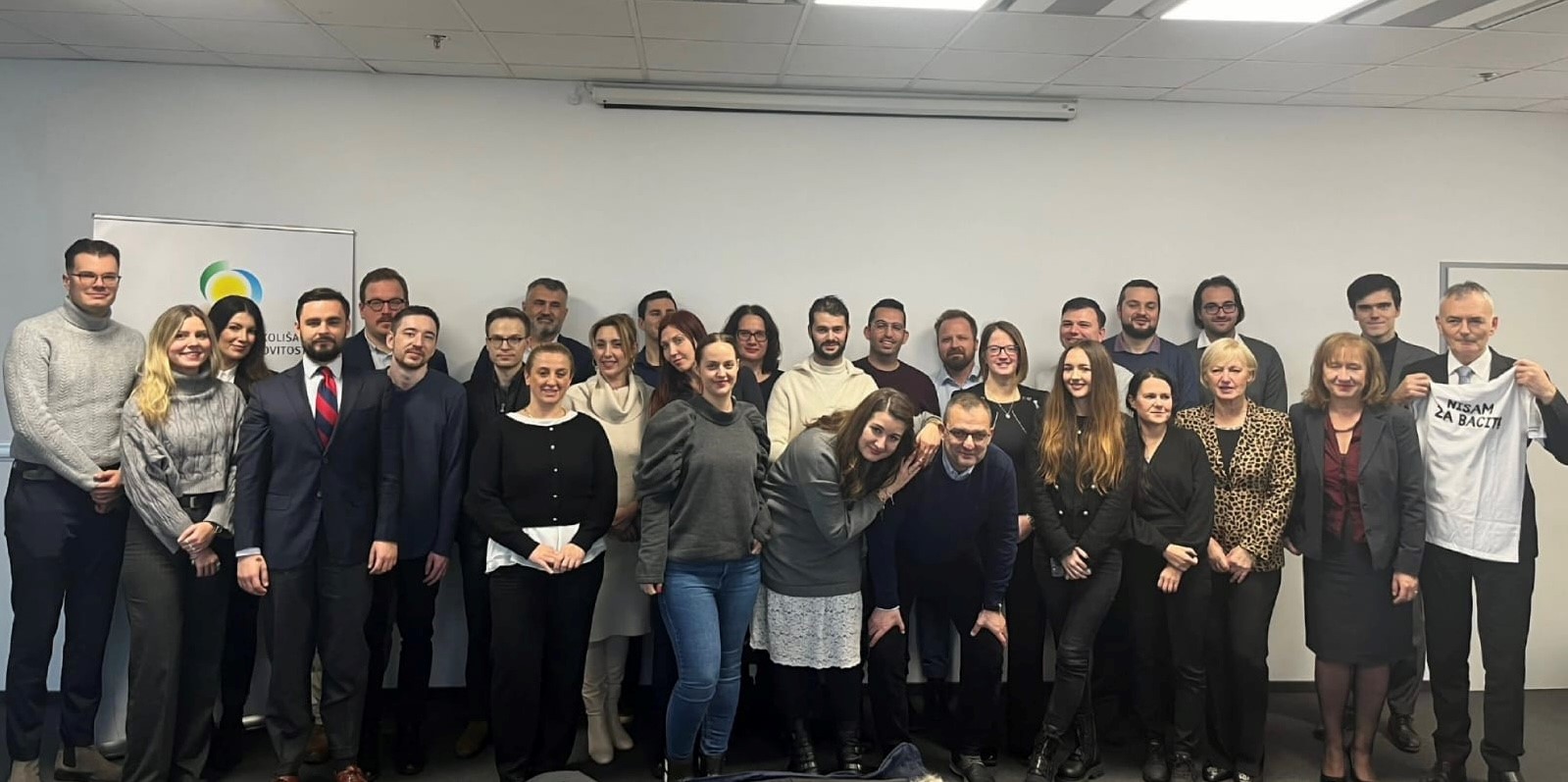
The Faculty of Mechanical Engineering and Naval Architecture of the University of Zagreb hosted a round table titled "Energy Recovery from (Hazardous) Waste," organised by the Croatian Academy of Engineering, with the participation of the Fund.Croatia is considering the construction of several waste-to-energy plants, which would enable the utilisation of non-recyclable waste and further reduce the amount of landfilled waste. The round table discussed planned projects, their capacities, and funding opportunities.
Maja Feketić, head of the Sector for EU Projects at the Fund, also participated in the event, presenting current activities and plans related to the development of infrastructure for energy recovery from waste.
One of the projects in the most advanced stage of preparation is the waste-to-energy plant for refuse-derived fuel (RDF) located at the Bikarac Waste Management Centre near Šibenik. The planned capacity of the plant is 130,000 tonnes per year, and it is intended for processing refuse-derived fuel from four Dalmatian counties: Split-Dalmatia, Šibenik-Knin, Zadar, and Dubrovnik-Neretva. The project is currently in the design phase.
In parallel, the Orlovnjak cogeneration plant project is being developed in the Osijek Economic Zone, with a planned capacity of 54,000 tonnes per year. The facility would be intended for energy recovery of waste from the Slavonia region, and the first meeting of the expert committee in the environmental impact assessment procedure for this project has already taken place.
Other cities are also expressing interest in developing such projects, Rijeka being one of them and having already submitted a request to the Fund regarding the possibility of building a plant for the energy recovery of refuse-derived fuel and dried sludge from the Marišćina, Kaštijun, and Babina Gora waste management centres. Zagreb is also mentioned as a potential location for developing such infrastructure, and private investors are also showing interest.
"Energy recovery represents an important upgrade to the waste management system and advancing the development of waste management centres. Energy recovery should enable the utilisation of that part of waste which cannot be reused or recycled, while simultaneously reducing the amounts disposed of in landfills. In doing so, it is crucial that the system is developed comprehensively, in accordance with the waste management hierarchy, where waste prevention, reuse, and recycling always take priority," Feketić emphasised.
Speaking about the funding opportunities for future plants, Feketić highlighted the European Union's Modernisation Fund as one of the potential sources of funds until the end of 2030, while other financing models, including loans, public-private partnerships, and innovation funds, will be considered for further investments.
During the round table, it was pointed out that the generation of refuse-derived fuel in Croatia is estimated at between 350,000 and 500,000 tonnes per year, which is why it is necessary to plan appropriate capacities for its energy recovery in a timely manner.
Daniel Rolph Schneider from the Faculty of Mechanical Engineering and Naval Architecture highlighted the importance of painstaking site and technology selection, along with conducting feasibility studies and environmental impact assessment procedures. The participants also exchanged experiences from other European countries and discussed modern energy recovery technologies, flue gas cleaning systems, and the importance of timely public information and engagement.
The development of waste-to-energy plants is one of the key segments in completing a comprehensive waste management system in Croatia, together further investments in separate collection, sorting, recycling, and waste treatment. The goal is to ensure efficient management of residual waste, reduce landfilling, and enable better utilisation of its energy potential.