

17.03.2026.
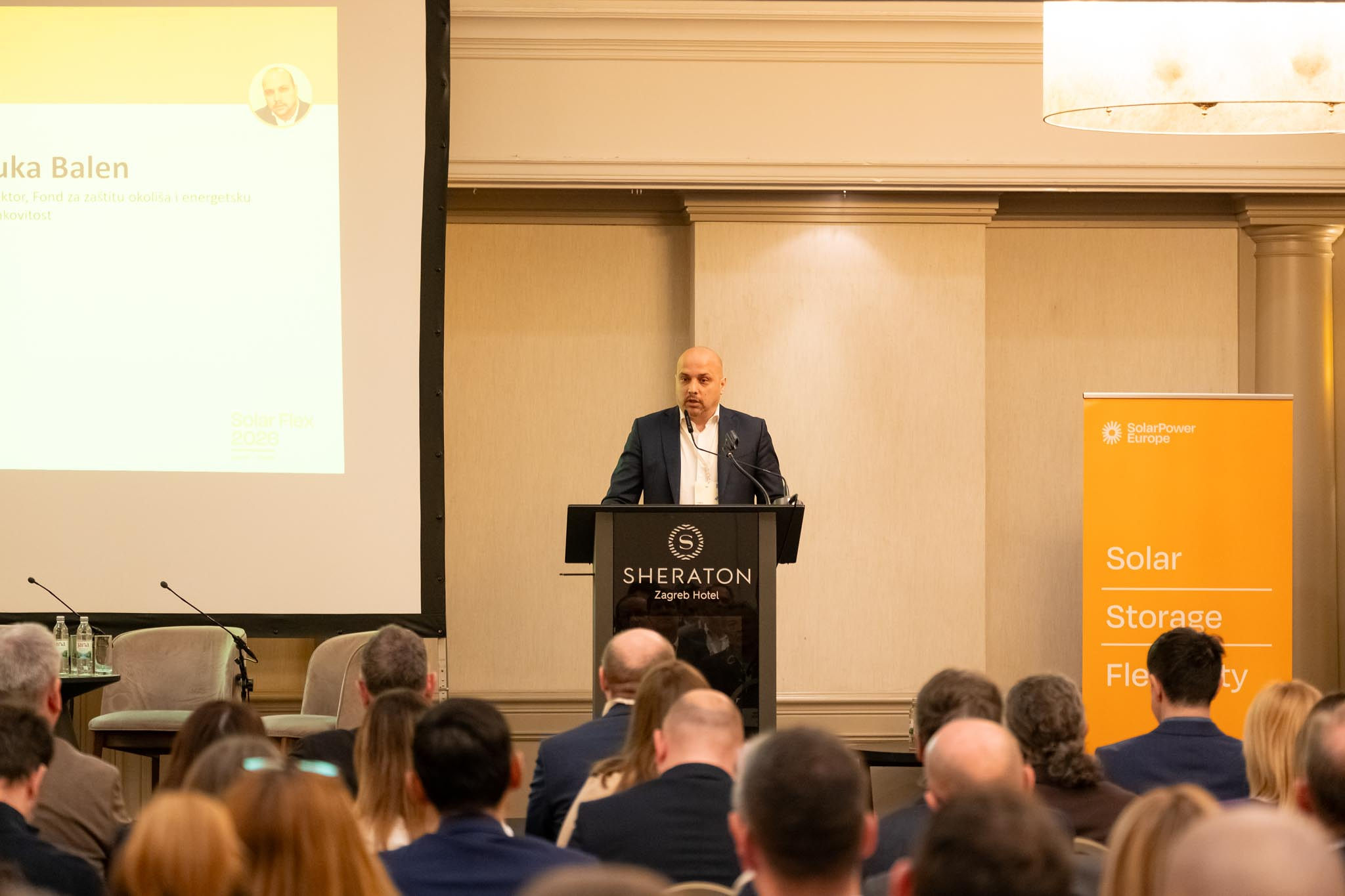
17 March 2026 - In addition to co-financing of PV power plants and heat pumps in households, from now on the Fund would also co-finance energy storage batteries for citizens, pointed out the director of the Fund, Luka Balen, at the 2026 Solar Flex Croatia Conference. This additionally brings out the importance of using solar energy as a renewable and sustainable source that reduces household costs and contributes to environmental protection. Director Balen said there was a notable growth in the interest of citizens in investing in such systems, confirming the greater awareness of the need for energy transition and long-term savings.This is also evident in the results of public calls that the Fund conducts in cooperation with the ministries of environment, economy and construction, respectively, where funds have been approved for the installation of about 15,000 photovoltaic power plants on family houses in the last few years. "In addition, together with the Ministry of Environmental Protection and Green Transition, we have co-financed about 250 energy efficiency projects and the installation of PV plants for our entrepreneurs through the Modernisation Fund. Also, the application process for co-financing the construction of facilities to store their own electricity produced from solar power plants for entrepreneurs has recently ended," said Balen.
At the conference organised by Renewable Energy Sources of Croatia (RES Croatia) and SolarPower Europe, it was concluded that battery energy storage systems were rising to prominence as a necessary tool for managing grid congestion, increasing security of supply, and more efficient use of existing infrastructure.
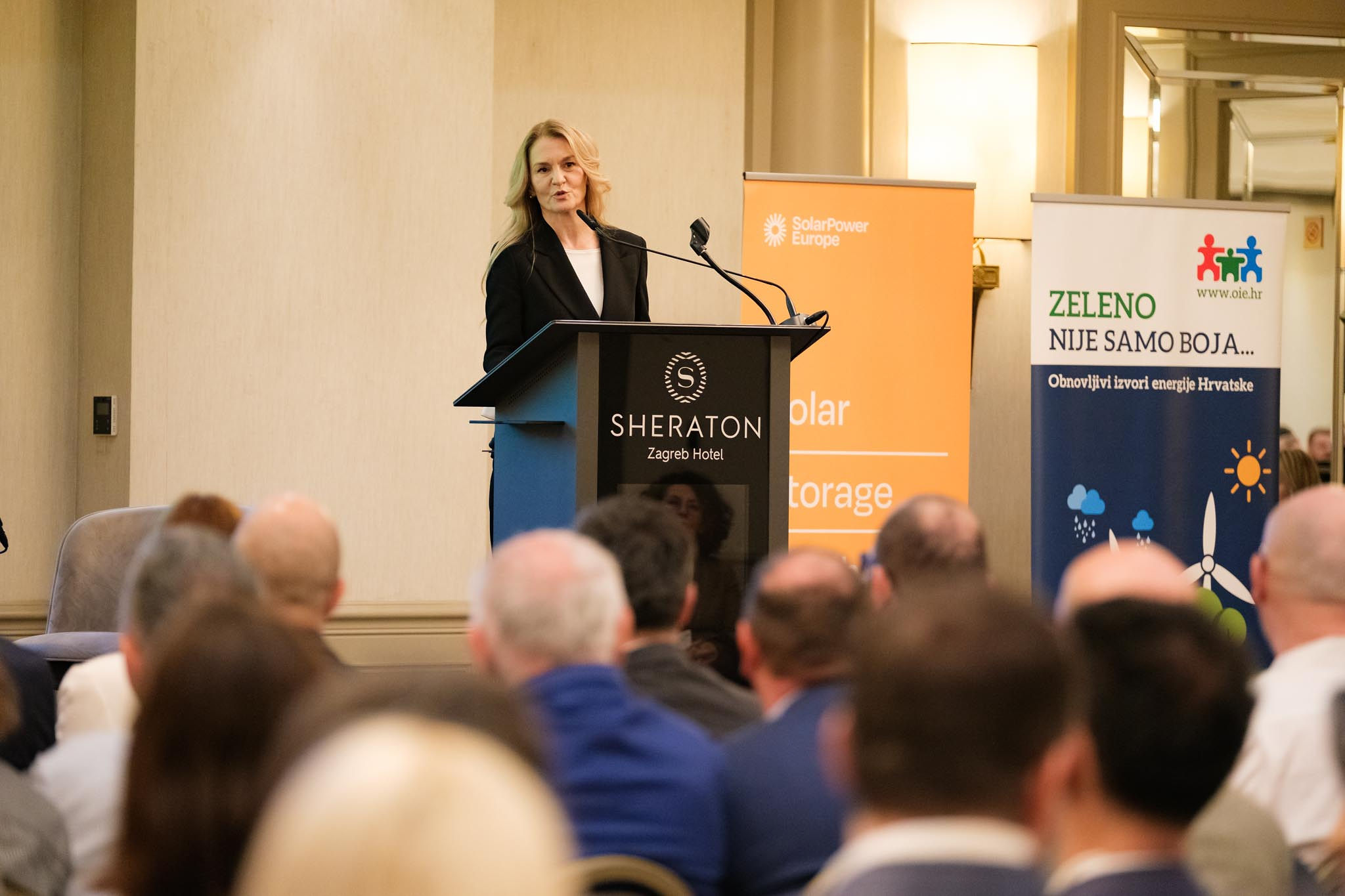
RES Croatia Managing Director Maja Pokrovac said that all countries that produce energy and store it on their territory are resilient to various geopolitical trends. She said that energy storage was important not only for the grid, but also for industry, the economy and citizens because it enabled everyone to have a lower price of electricity in the long term. Apart from Germany and Italy, Pokrovac singled out Bulgaria, which increased its battery storage capacity thirteenfold in a single year, and also started building a battery energy storage factory that should cover about 15 percent of European needs.
Speaking about European trends, Arthur Daemers, Senior Policy Advisor at SolarPower Europe, pointed out that the combination of solar energy and batteries was key to a stable and economically viable system. "Solar panels were already the leading source of electricity in Europe last June, but without batteries we will not be able to continue this growth," he warned.
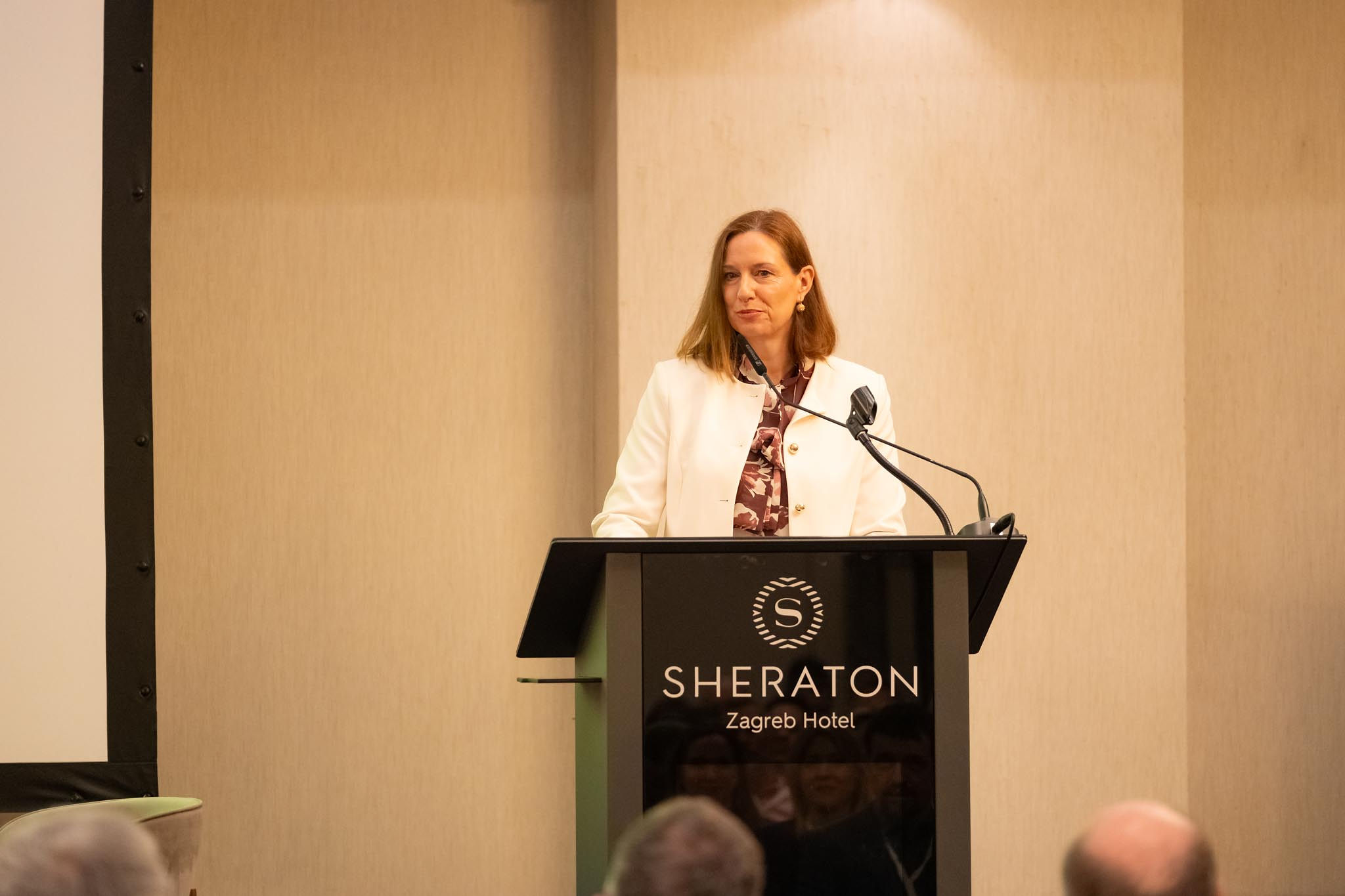
State secretary at the Ministry of Environmental Protection and Green Transition Tanja Radić Lakoš surmised that the development of RES, with special emphasis on solar energy, brought vast opportunities. However, she added, there were also challenges on how to manage energy, which was increasingly decentralised, depending on environmental conditions. She said that battery energy storage systems were becoming one of the key elements of the modern energy sector, enabling flexibility of the power system, contributing to grid stability, and enabling a more efficient use of energy produced from renewable sources. "In this way, batteries become a 'bridge' in between production and consumption, innovation and security of energy supply," she pointed out.
The conference also presented the results of the first study on battery energy storage in Croatia, which was prepared by experts from the Faculty of Electrical Engineering and Computing (FER) and the Hrvoje Požar Energy Institute (EIHP), at the initiative of RES Croatia, and with the financial support of the European Bank for Reconstruction and Development (EBRD). The study provides a thorough overview of where congestion occurs in the Croatian power grid, what are the required battery systems capacities, defines optimal locations, and what type of investment and regulatory changes can foster the energy storage market development.
At the panel, Žarko Latković, the head of the Energy Efficiency and RES Department at the Fund, talked about projects for financing PV power plants and battery storage systems, pointing out that during the year, 20 million euros would be available to citizens from the Programme Competitiveness and Cohesion. “Such strides show that Croatia is rapidly setting the foundations for a sustainable, safe, and energy independent system where solar energy and storage technologies will play an ever more important role,” said Latković.