

08.07.2026.
A new round of incentives for the purchase of energy-efficient vehicles for citizens, worth 20 million euros, was announced at the final conference of the "Driving ECOnomically" project, organised by the Environmental Protection and Energy Efficiency Fund at the Hilton Garden Inn Hotel in Zagreb.How to make electric vehicles the citizens’ first pick, whether the incentives so far have met expectations and what shapes attitudes towards e-mobility today were the main topics of the conference, which brought together representatives of the Government, the European Commission, the economy and experts in the field of transport, environmental protection and consumer psychology.
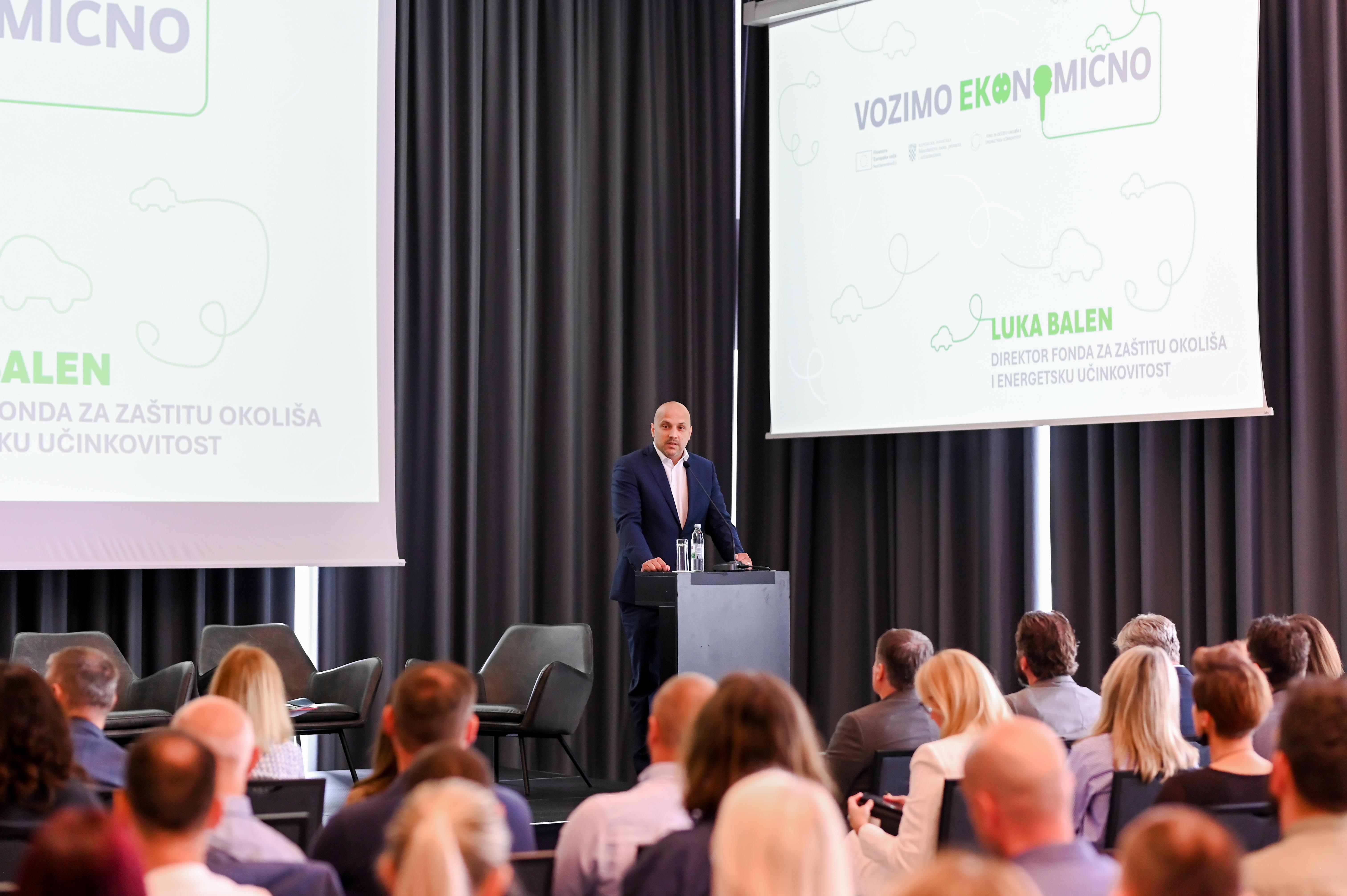
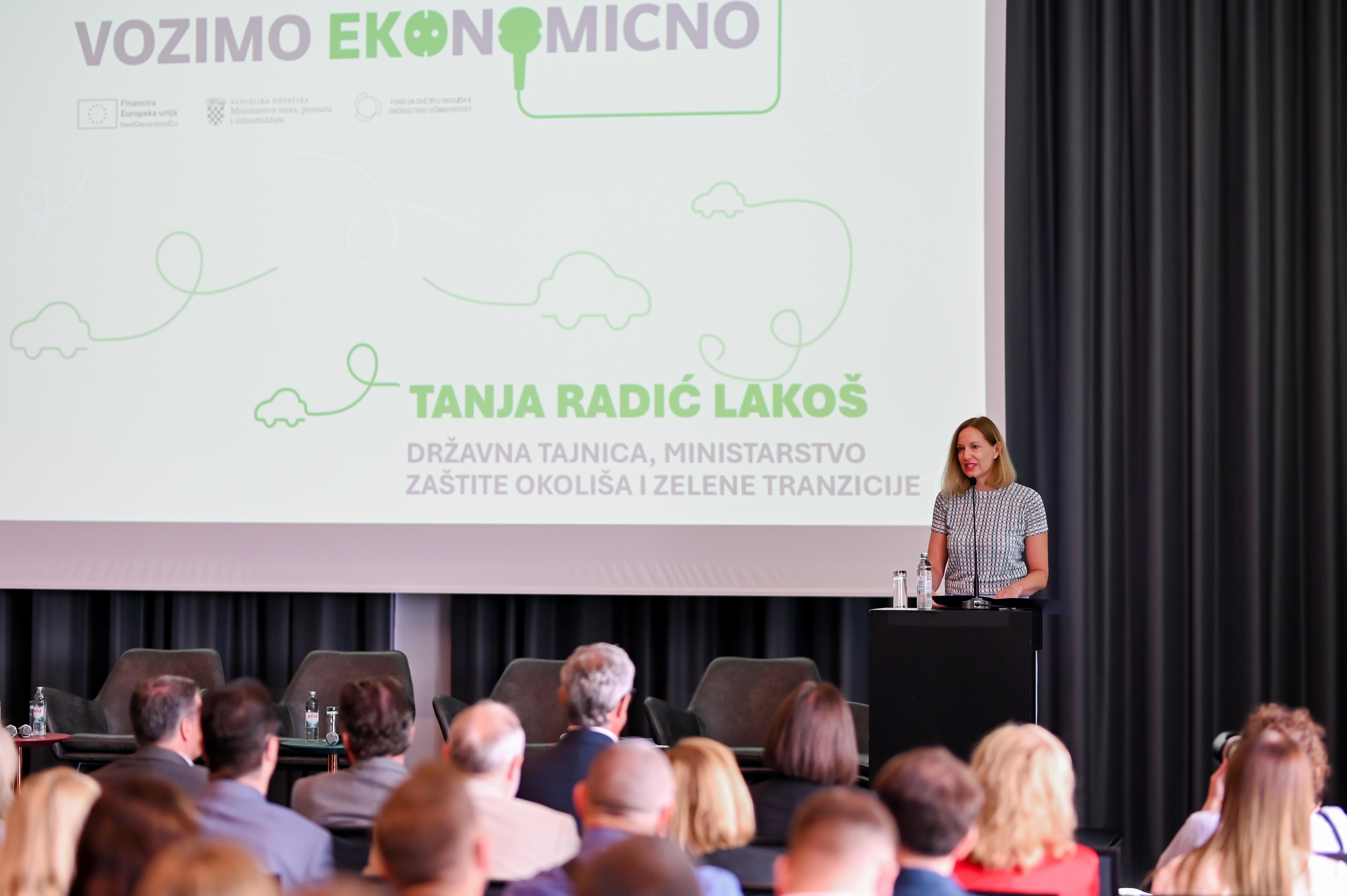
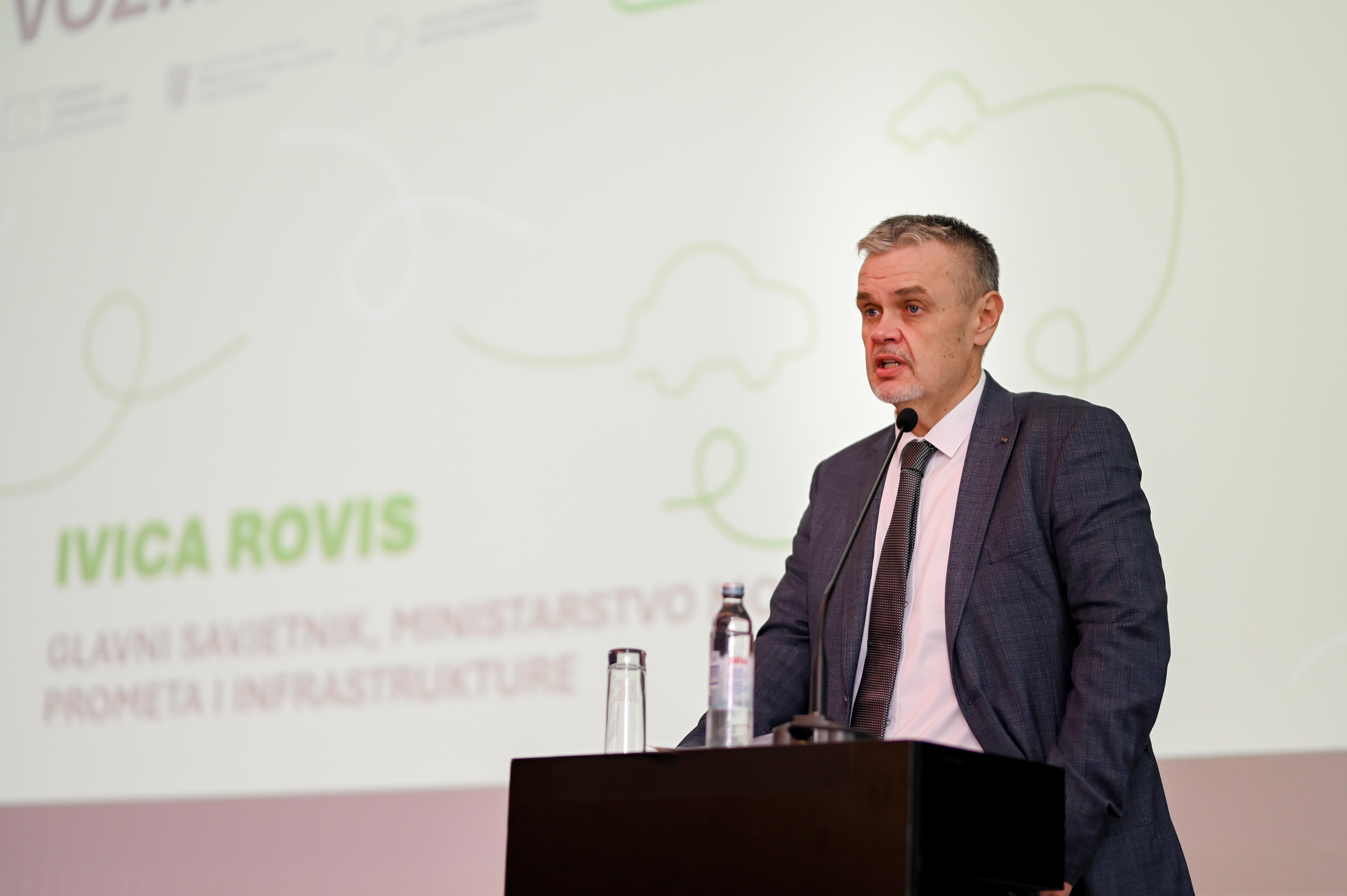
The participants were addressed by the State Secretary of the Ministry of Environmental Protection and Green Transition Tanja Radić Lakoš, the Chief Advisor of the Ministry of the Sea, Transport and Infrastructure Ivica Rovis and the Director of the Environmental Protection and Energy Efficiency Fund Luka Balen.
Balen pointed out that the development of electric mobility was one of the key pillars of the green transition and reminded that in recent years, the Fund had invested about 63 million euros from national funds in the purchase of more than 11,000 energy-efficient vehicles.
"Last year, more than 21 million euros were made available to companies and trades through the National Recovery and Resilience Plan, and co-financing was approved for about 2,500 vehicles. This year, we have provided an additional 20 million euros to continue co-financing the purchase of energy-efficient vehicles for citizens. We want sustainable solutions to become the norm rather than the exception," said Balen.
State Secretary Radić Lakoš emphasised that targeted aid not only increased the number of electric vehicles on Croatian roads, but also promoted the development of the market and charging infrastructure. She reminded that a call worth EUR 45 million for the procurement of zero-emission vehicles for taxi operators and users of light delivery vehicles was currently open, while a new financial instrument through HBOR worth an additional EUR 45 million was in the pipeline. She also announced investments of almost €974 million in sustainable mobility through the future Social Climate Plan.
The Chief Advisor in the Ministry of the Sea, Transport and Infrastructure, Ivica Rovis, pointed out that the decarbonisation of transport and e-mobility were among the Government’s strategic priorities and that the state would continue to invest in transport infrastructure and create conditions for the wider use of alternatively powered vehicles (APVs).
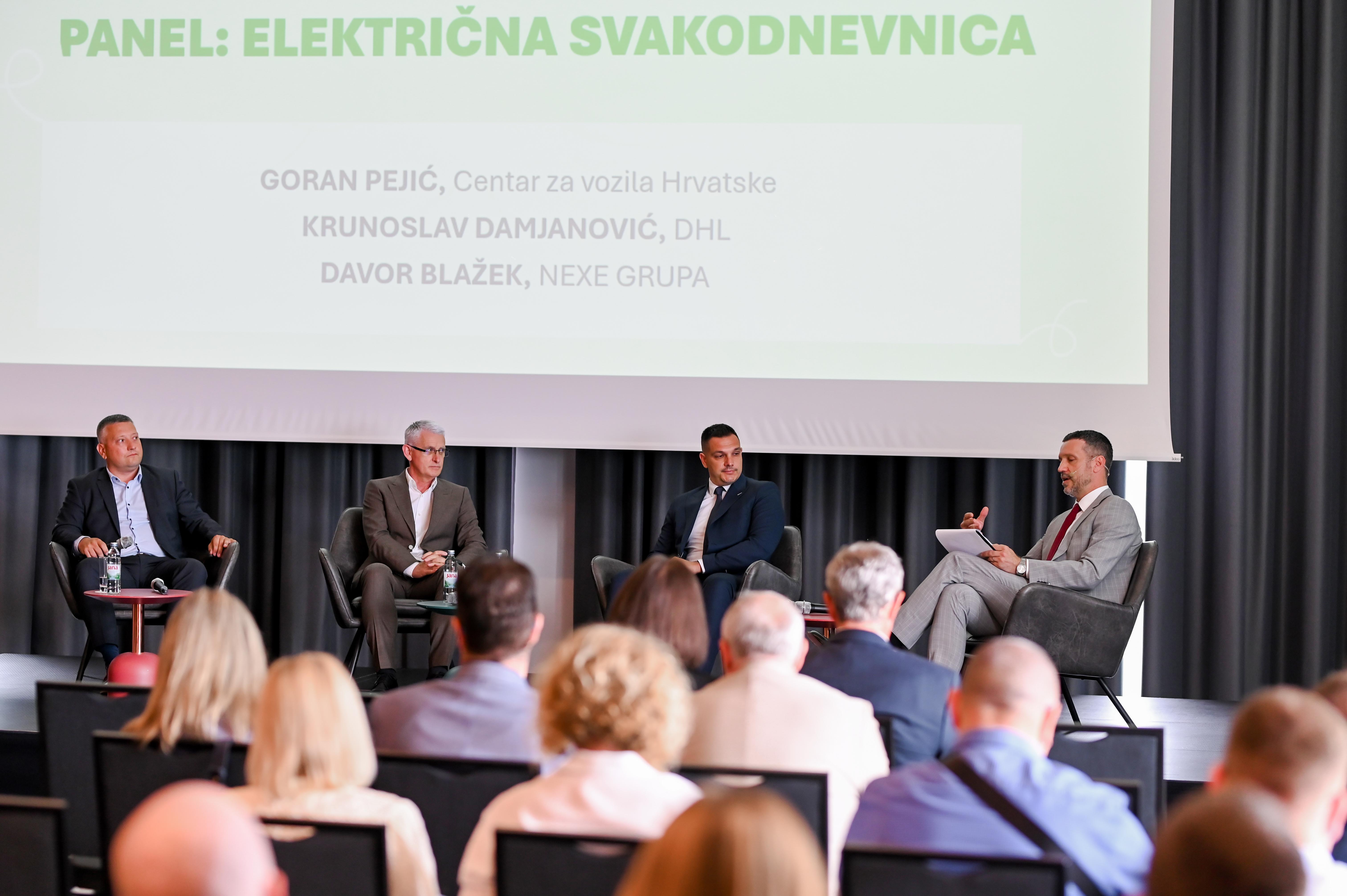
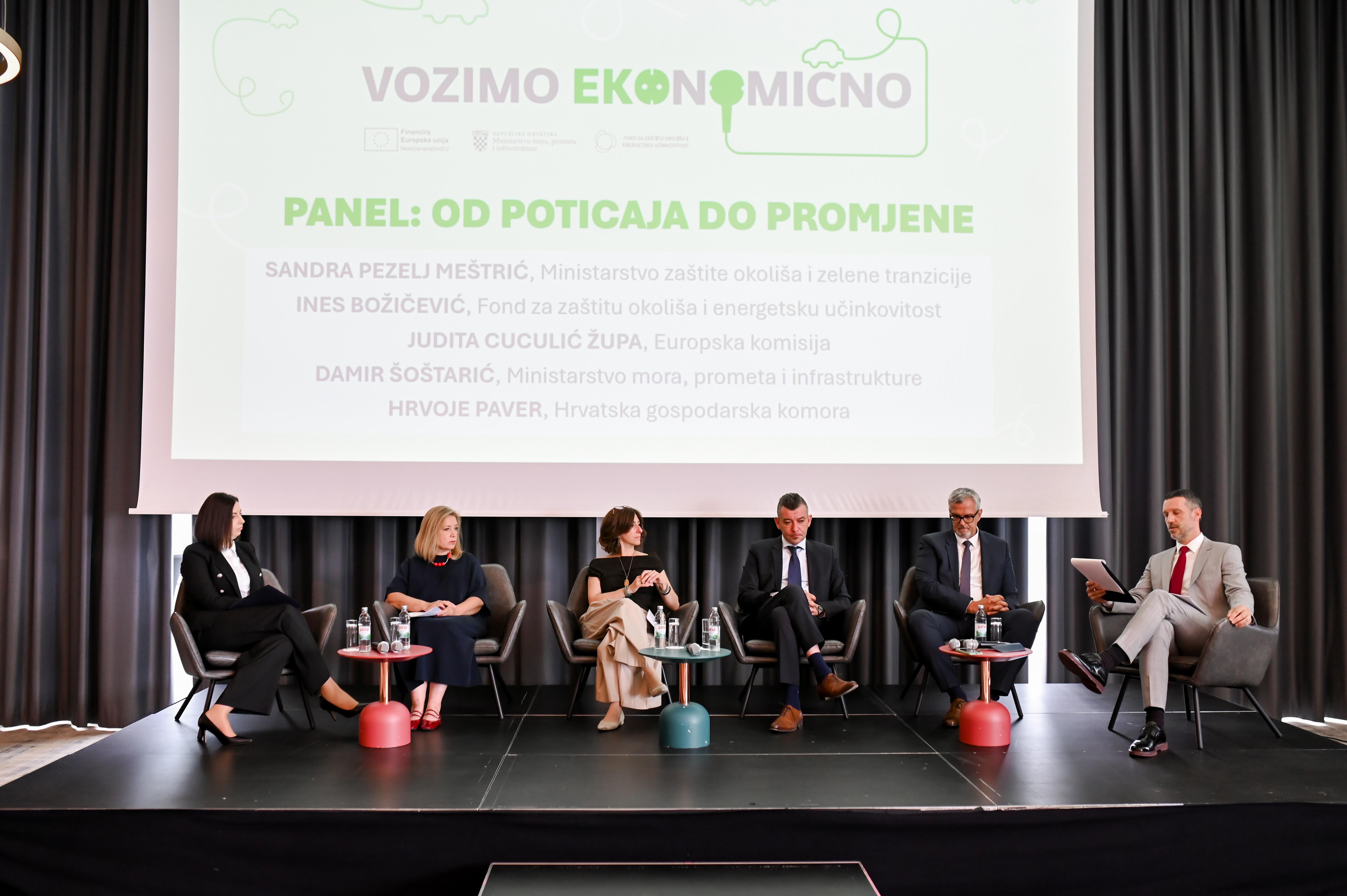
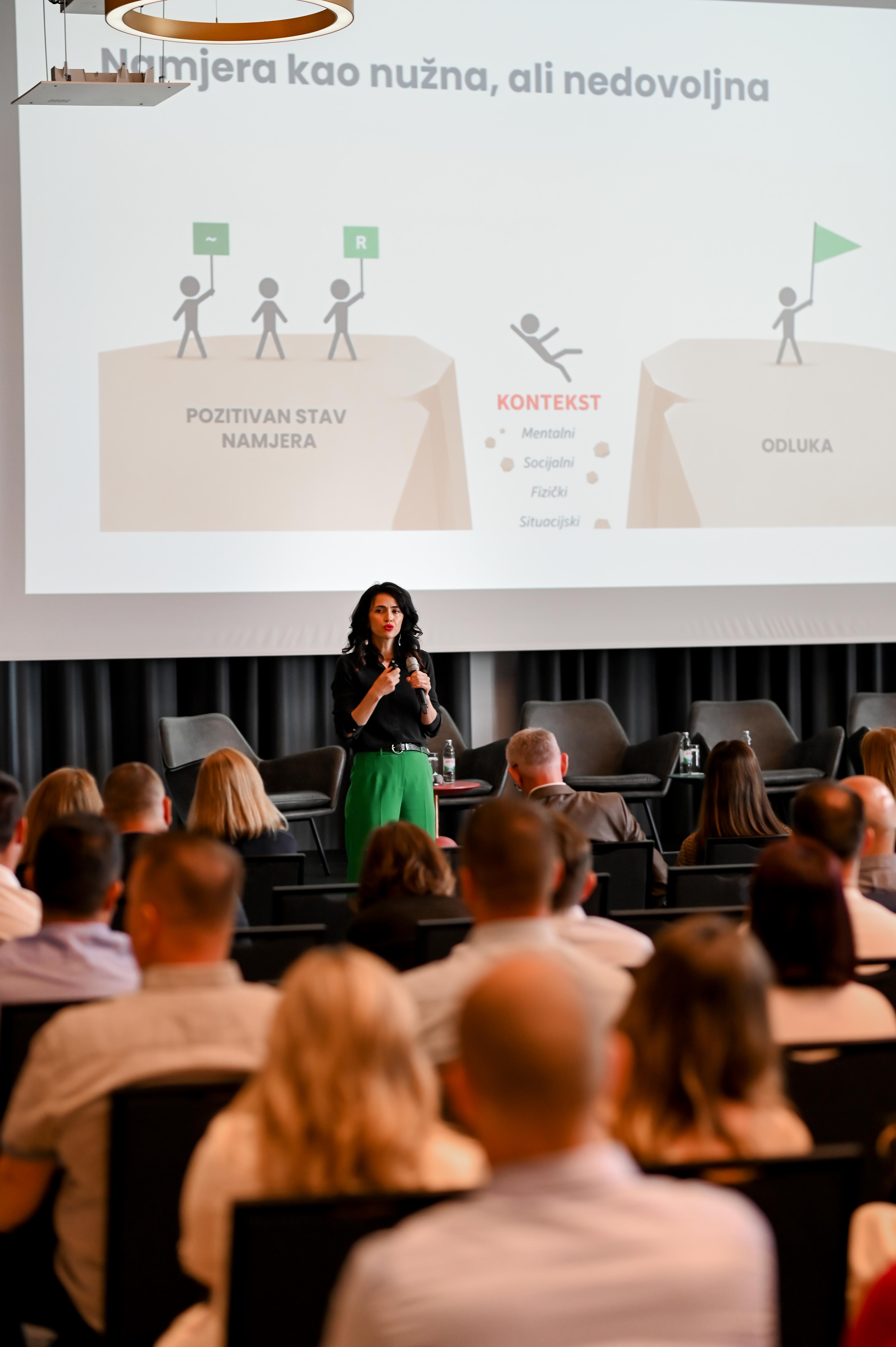
In two expert panels, the effects of the incentives so far, the development of the electric vehicle market, charging infrastructure and user experiences were discussed. Behavioural psychologist Andrijana Mušura Gabo, PhD, pointed out that the decision to buy an electric vehicle did not depend only on the price. She spoke about the psychological factors that affect the acceptance of e-mobility, and as a great Croatian advantage, she underlined the fact that as many as 76 percent of citizens live in family houses, which makes charging electric vehicles much easier.
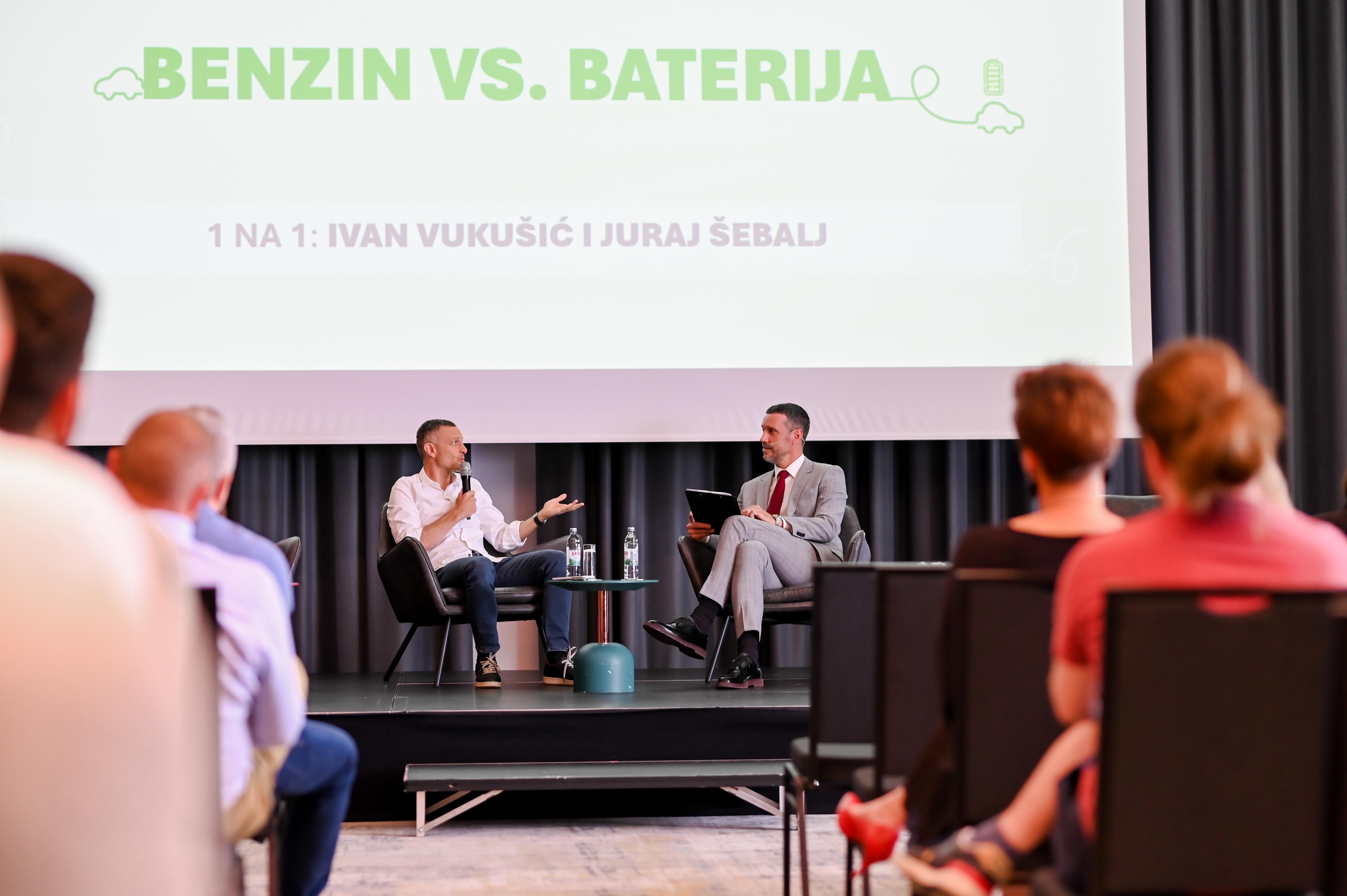
Automotive journalist Juraj Šebalj also talked about the habits of drivers and the perception of electric cars. In an interview entitled "Petrol vs. battery", he referred to the most common myths and prejudices that still accompany electric mobility and shared experiences from the everyday use of electric vehicles.
The participants at the conference concluded that the further development of e-mobility would depend on continuing the incentive program, further expansion of the network of charging stations and the cooperation of the state, the economy and citizens in order to make sustainable mobility available to as many users as possible.
.jpg)
.jpg)
.jpg)
.jpg)
.jpg)
.jpg)
.jpg)