

17.06.2026.
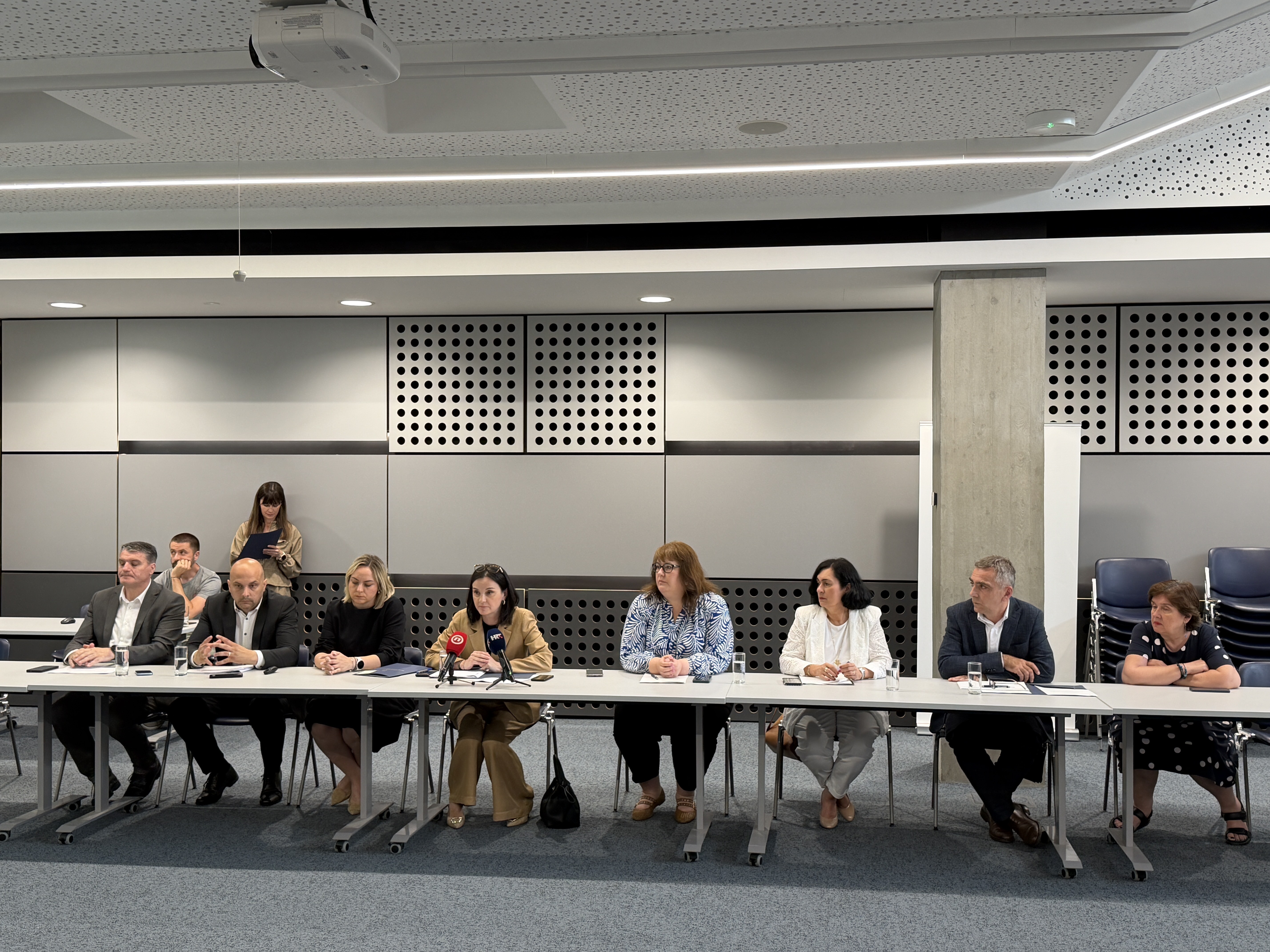
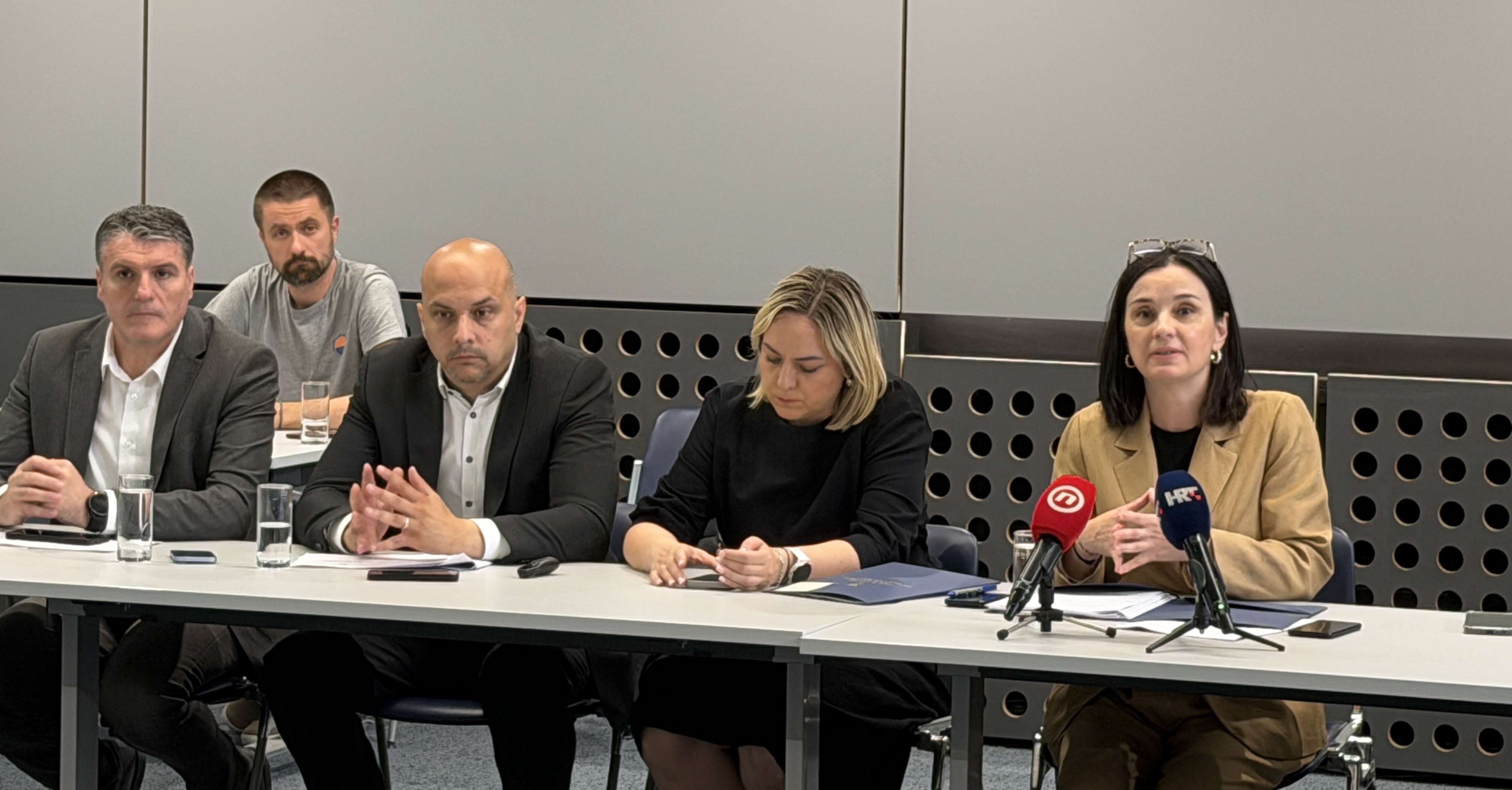
The Ministry of Environmental Protection and Green Transition and the Environmental Protection and Energy Efficiency Fund continue intensive activities on the remediation of illegally dumped waste in the Gospić area. At the beginning of next week, a new public procurement procedure for the removal and disposal of waste with an estimated value of 4.7 million euros will be launched as no bids were received in the previous open procedure.The minister of environmental protection and green transition, Marija Vučković, pointed out that the Ministry and the Fund were taking all steps prescribed by law to carry out the remediation in the shortest possible time. "We make every single day count. All activities are carried out in accordance with regulations, with maximum responsibility towards citizens and the environment. The previous public procurement procedure was prepared based on the data available at the time and the conducted market research, but after no bids were received, we conducted additional consultations and verifications, including additional analyses related to the composition of waste. Based on all these new circumstances, we have prepared a new procurement procedure that will allow the remediation to continue,” said the minister.
The new public procurement will include the removal and disposal of 4,500 tonnes of illegally dumped waste in the open space and an additional 650 tonnes of waste located between the two facilities at the site. Compared to the previous procedure, the estimated quantities of waste have been increased, and for the part of the waste for which additional analyses showed circumstances related to the chlorine content, a higher estimated value of the service is envisaged. The total estimated value of the procedure will amount to €4.7 million.
The director of the Environmental Protection and Energy Efficiency Fund, Luka Balen, pointed out that geodetic measurements and laboratory analyses of waste by authorised laboratories have already been carried out for the first phase of remediation, and that the Fund conducted additional market research after the first public procurement procedure in order to collect all relevant data necessary for the preparation of new documentation. "We have prepared documentation for the removal of waste exposed to the elements, as well as for waste stored in the so-called “big bag” sacs between two silos. Our goal is for the remediation to be carried out as soon as possible, but this is a specific type of waste for which there are no capacities for final disposal in the Republic of Croatia, which is why it is necessary to ensure treatment in appropriate facilities abroad. At the beginning of next week, all data will be available to interested economic operators through a new public procurement procedure," said Balen.
According to estimates based on market research and available expert data, the deadline for the implementation of the first phase of remediation is 12 months, with additional time required for the final treatment of waste abroad. For part of the waste stored in the so-called "big bag" sacs, the anticipated deadline is six months.
At the same time, other stages of remediation are being prepared. For waste located in closed facilities, such as basements and other enclosed spaces, the State Inspectorate of the Republic of Croatia issued a decision on 13 February ordering the company responsible for illegal waste disposal to remove it by the end of May. Since this has not been done, the Fund is undertaking preparatory activities for the start of this part of the resolution. A public procurement procedure is being prepared for the development of a remediation plan that will determine the quantity, composition and position of waste, which is a prerequisite for the preparation of documentation for the removal, disposal, and recovery of waste.
The third phase of remediation refers to buried waste. In order to prevent possible seepage of rainwater, a temporary covering of the site will first be carried out based on an appropriate technical solution, for which the Fund has already initiated the necessary procurement procedures. After that, when the conditions are met, the final remediation will be carried out.
Regarding the possible impact on the environment and the health of citizens, the Ministry and the Fund emphasise that according to official expert opinions, there are no indicators that water sources for human consumption are at risk. Since January this year, Croatian professional and authorised institutions have been continuously conducting measurements and analyses, including monitoring the presence of, so-called, “forever chemicals” (PFAS).
According to official findings, no measurable amounts of PFAS compounds were found at one of the locations, while concentrations about twenty times lower than the permissible values were recorded at the other so there is no departure from the results recorded at other locations. The Ministry of Environmental Protection and Green Transition bases its actions exclusively on the official findings of Croatian professional and authorised institutions that continuously monitor the situation in the field. "We appreciate the concerns of citizens and that is why we insist on facts, expert analyses and official measurements. Since January, Croatian professional and authorised institutions have been continuously monitoring the situation in the field and carrying out measurements, including measurements of the presence of PFAS compounds, and we will continue to act on the basis of official findings and expert opinions of our accredited and authorised laboratories and institutes," said minister Vučković.
In parallel, it is important to emphasise that these are extremely sensitive and complex projects, given that certain locations are the subject of investigations by the competent authorities. The Ministry and the Fund had to adapt their actions to these circumstances, and it was necessary to ensure all procedural, professional and legal prerequisites so that the remediation could start in a responsible, legal and efficient manner. From the very beginning, we have been cooperating with all competent institutions, local and regional self-government units in whose area the contaminated sites are located, representatives of associations and all other stakeholders involved in these projects. We also respect the public's right to know the state of the environment, and we will continue to communicate transparently, in a timely manner and without hesitation all the information we have at our disposal and that we can publish.
The level of engagement of all those involved is best illustrated by the fact that during the last year, in relation to the remediation of these sites, 83 meetings were held with representatives of local authorities, competent institutions, associations and other stakeholders, 35 site visits were conducted by professional services, three public forums were organised for citizens and more than 150 media events and announcements were took place with the aim of informing the public about the course of remediation procedures. "We’ll continue with this approach because we believe that transparency, open dialogue and timely information to citizens are as important as the implementation of the remediation itself," said minister Vučković.
In addition, the Ministry and the Fund are simultaneously carrying out and preparing remediation at several locations throughout Croatia. In Biljane Donje, more than 100 thousand tonnes of waste slag, out of a total of 140 thousand tonns planned for remediation, have been treated and removed so far, with the treated material being used for construction purposes. Work has begun in Vranjic on the removal of asbestos waste from the coastal area of Kosica, while extensive research is in the final phase in the Kaštela Bay, which will be the basis for the development of a plan for the remediation of the slag landfill.
At the same time, remediation procedures for improperly disposed waste are either underway or in preparation in Bedekovčina, Samobor and Pazin, where we are talking about tens of thousands of tonnes of waste, for the removal of which remediation plans have already been drawn up or public procurement procedures have been initiated. All these activities are part of a systematic approach to solving the so-called “hot spots” of environmental pollution, with the aim of removing long-standing environmental burdens and ensuring a safer and healthier environment for citizens.