23.10.2026.
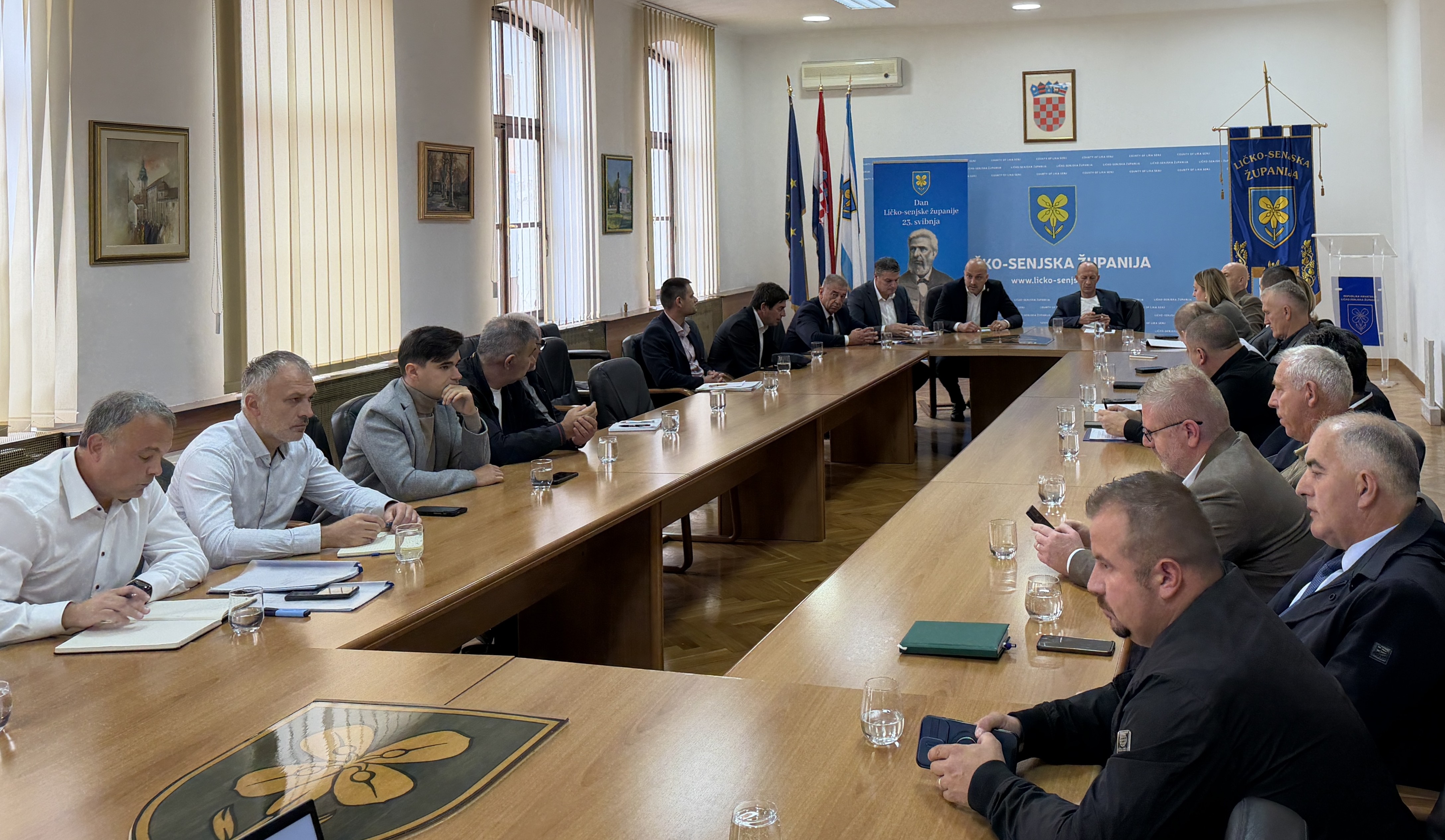
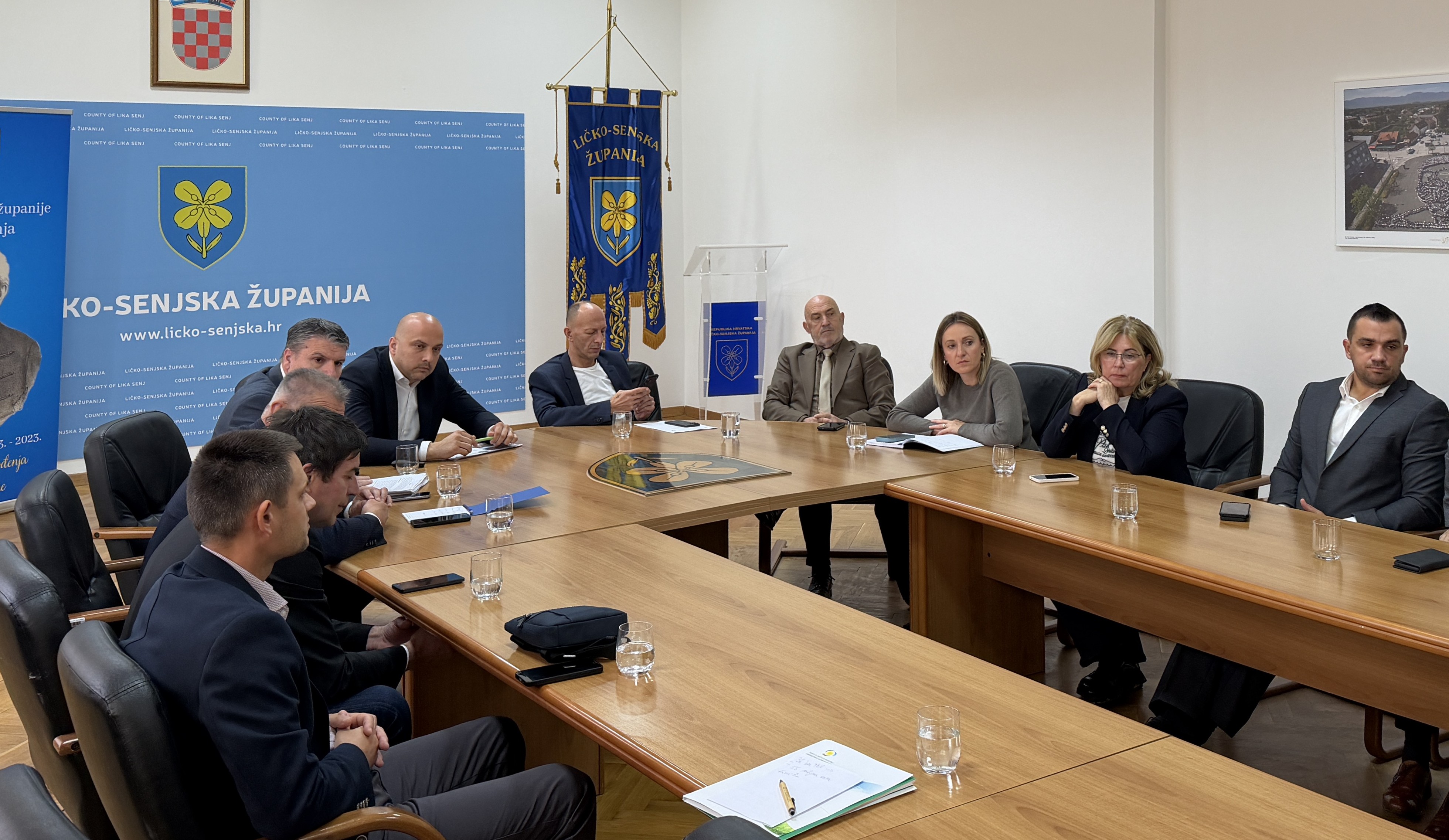
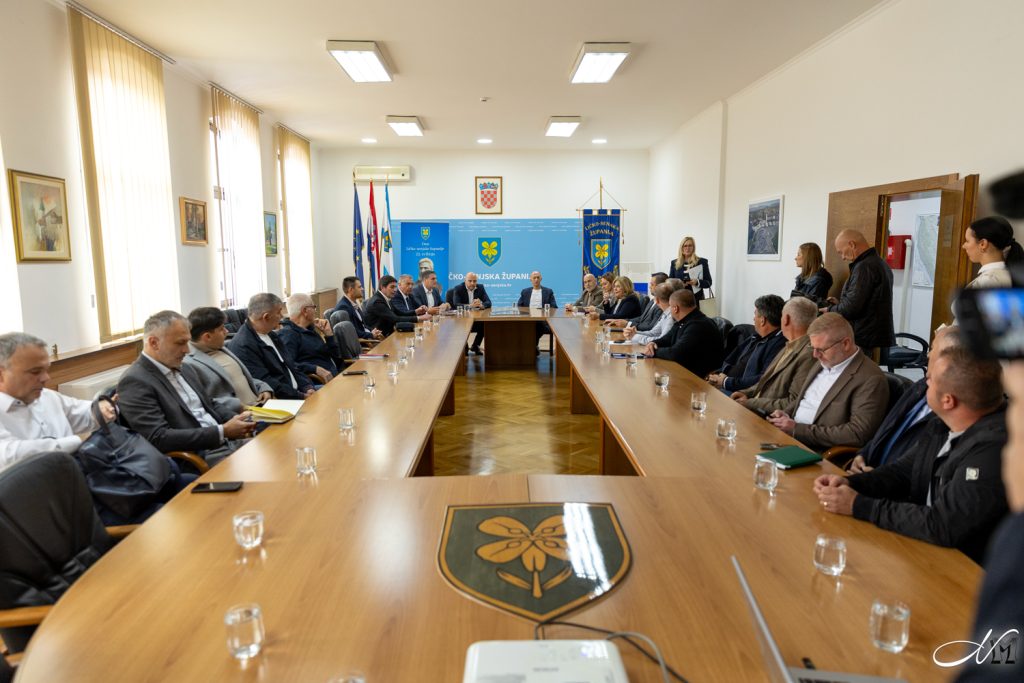
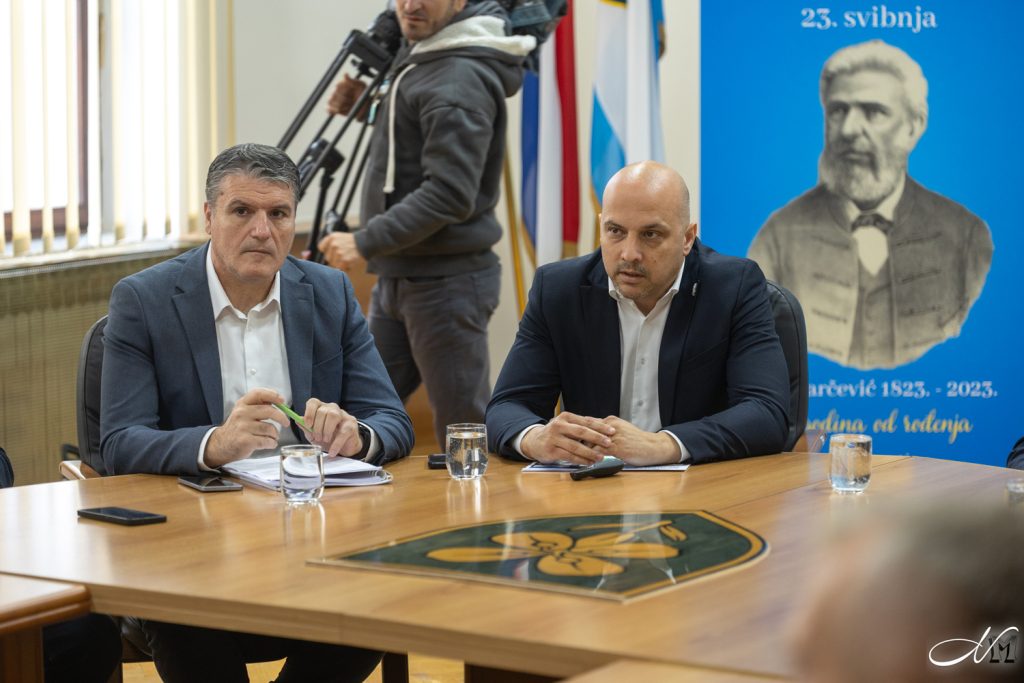
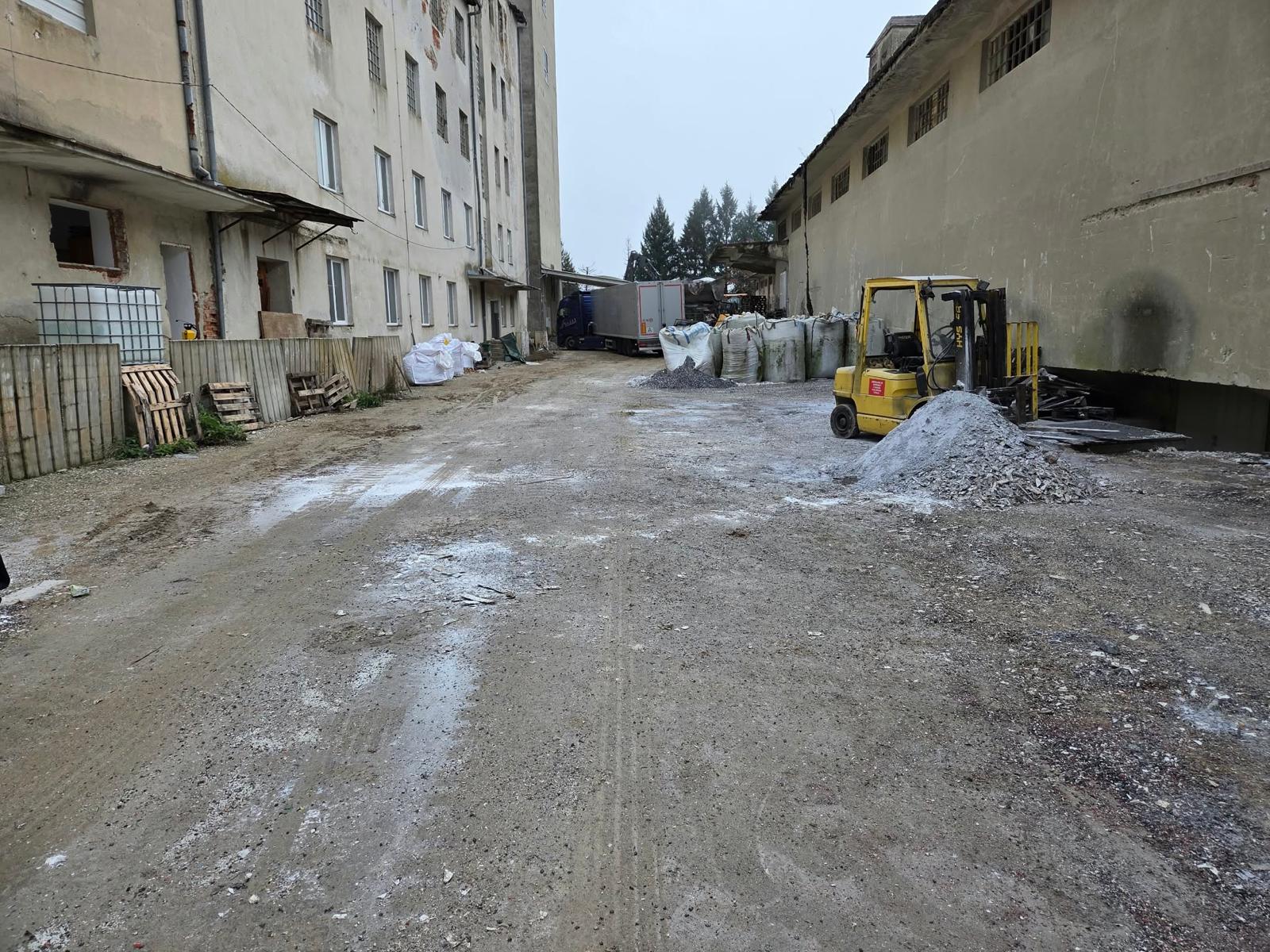
The Environmental Protection and Energy Efficiency Fund will launch two negotiated public procurement procedures next week for the removal of approximately 37,500 tonnes of illegally deposited waste on the site of the former PPK Velebit in Gospić. This was announced today at a meeting held by representatives of the Environmental Protection and Energy Efficiency Fund with representatives of the Lika-Senj County, the City of Gospić, and other local self-government units from the Lika region, as well as representatives of associations and family farms. The remediation project is now entering its critical stage, for which the Fund has secured a total of around 55 million euros for both past and planned activities."Our goal is to permanently remediate this location as soon as possible, eliminate potential risks to the environment and human health, and create the conditions to restore the area to its original state. We have secured the funds, conducted additional analyses, prepared the documentation, and analysed both the Croatian and international markets. Next week, we are launching both procurement procedures, and our priority is to keep the planned remediation schedule strictly on track," emphasised the director of the Fund, Luka Balen, at today's meeting with representatives of the local community.
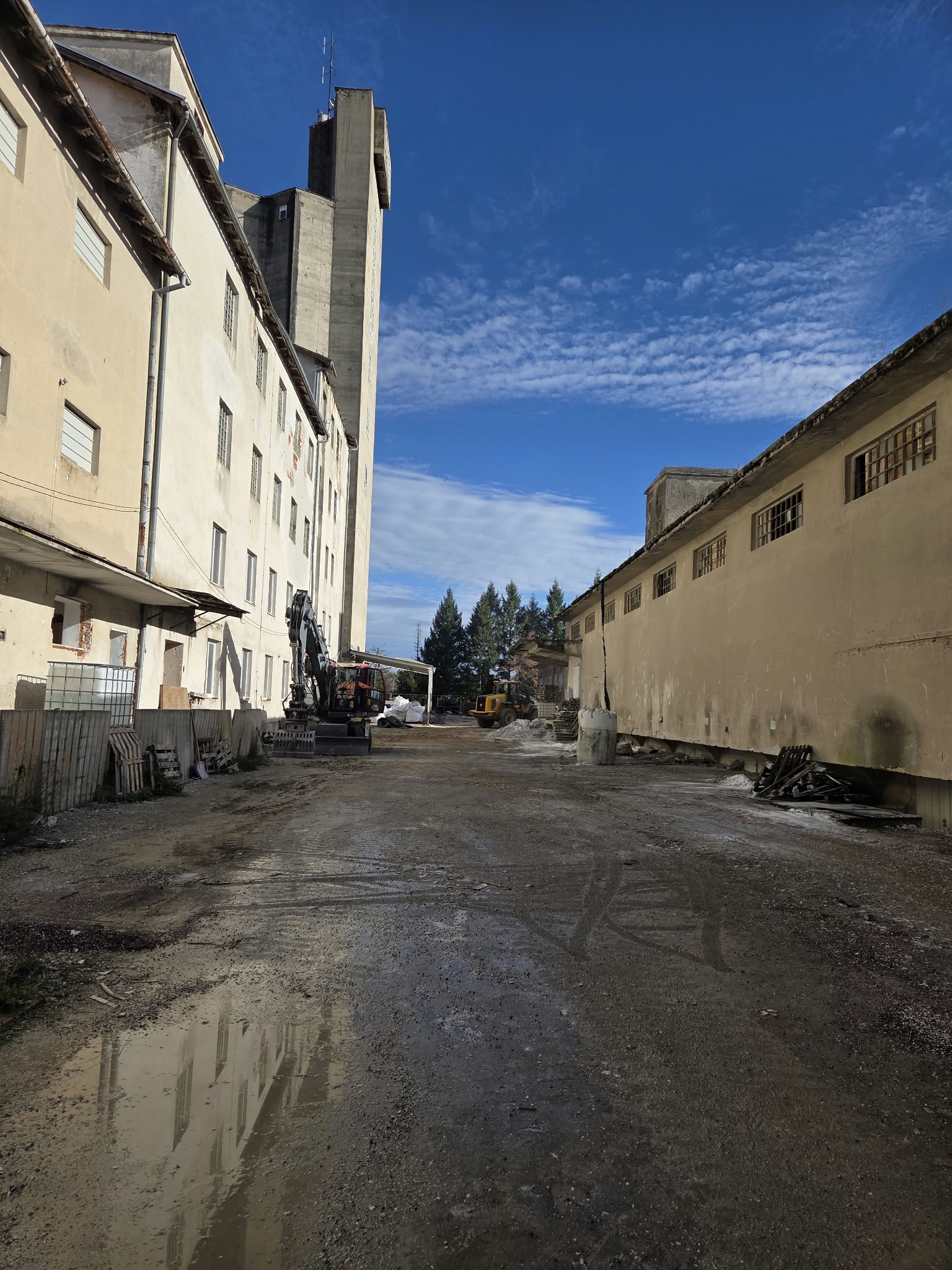
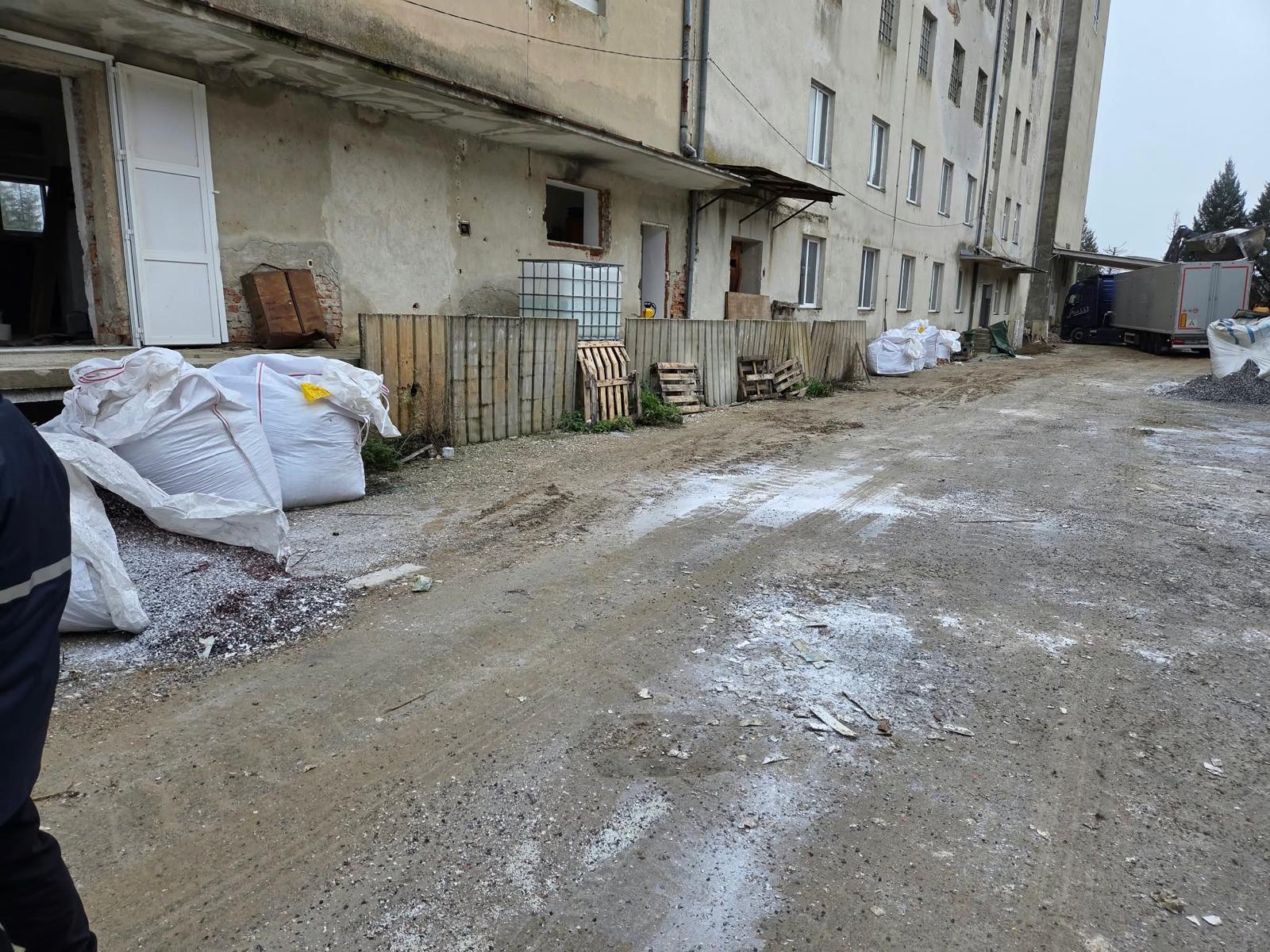
The first procedure refers to the removal of approximately 4,500 tonnes of scattered hazardous waste next to the silo. After the previous procurement was cancelled due to the withdrawal of one member of the selected consortium of bidders, the Fund is launching an urgent negotiated procedure with shortened deadlines to select a contractor and begin the removal as quickly as possible.
The second procedure covers the remediation of approximately 33,000 tons of buried waste, which is the technically and financially most demanding part of the project. For its preparation, additional testing and market research were conducted, drawing responses from around twenty interested domestic and foreign companies.
The deputy director of the Fund, Mirko Budiša, explained that analyses showed between 40 and 55 percent of the buried waste consists of mineral construction material, while the share of hazardous waste is estimated at 10 to 11 percent. "We have planned two remediation options: excavation and transport of waste to authorized locations, or on-site pre-treatment and sorting. Through a negotiated procedure, we aim to secure the optimal technical and financial solution, while strictly mandating that all hazardous waste is transported abroad for final disposal," Budiša explained.
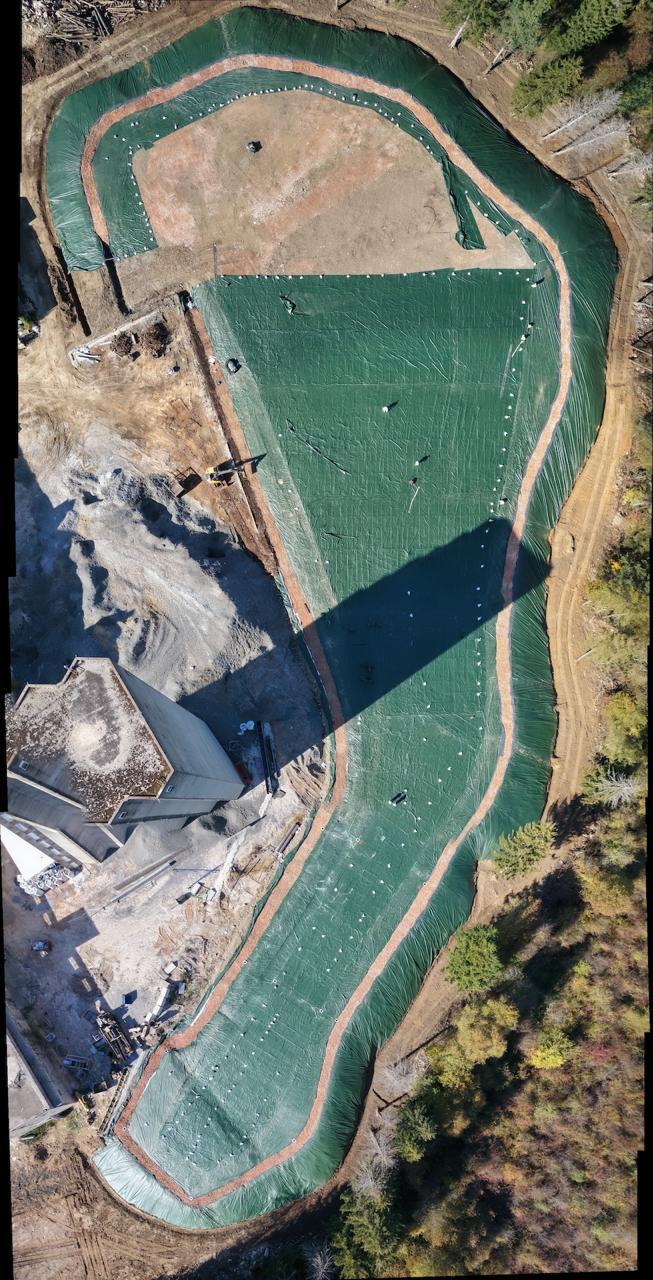
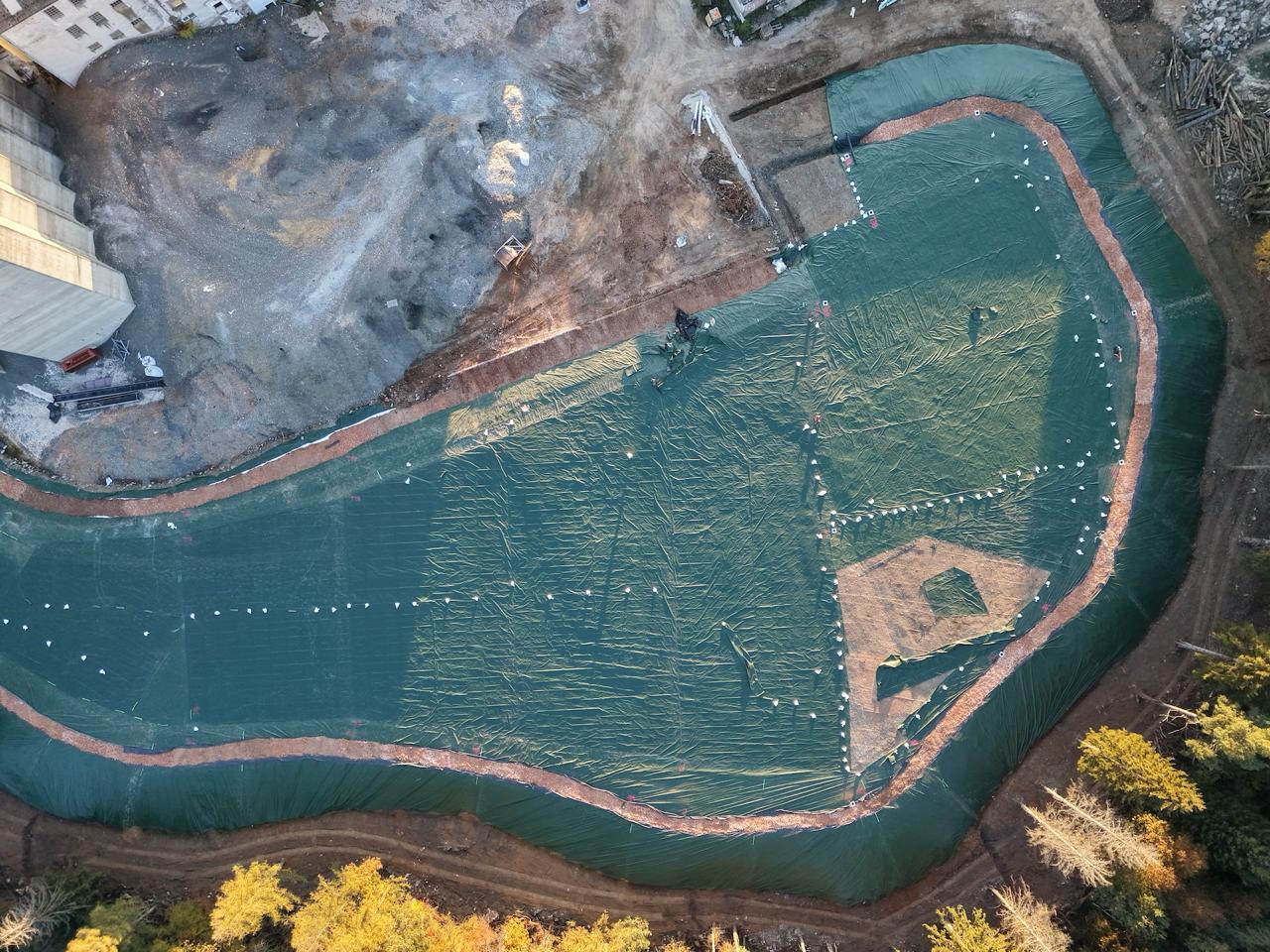
In parallel with the preparation of new procedures, work on the site continues. All large so-called "big bag" sacks containing non-hazardous waste have been removed from the open area and transported for thermal processing to the Nexe and Holcim cement plants. Next week, the temporary covering of the buried waste with a waterproof foil will also be completed, preventing any possibility of rainwater penetrating into the soil.
Ernest Petry, the Lika-Senj County prefect, emphasised that the shared goal was to remove the illegally dumped waste as swiftly as possible while ensuring those responsible are identified and penalised. He drew particular attention to the recent environmental monitoring results.
"Previous air quality tests conducted by the County revealed no anomalies. As remediation began, we resumed measurements in agreement with the City of Gospić. The latest results from the past week show that air quality in the Gospić area is on par with that of Zavižan on the slopes of Mount Velebit," Petry stated.
He also emphasised that the conducted analyses did not find any contamination in the analysed agricultural products from Lika and announced additional funds in the county budget for 2027 to support farmers and family farms that suffered reputational damage.
Gospić Mayor Darko Milinović expressed satisfaction with the remediation efforts, noting that visible progress on-site has fuelled his optimism. He confirmed that drinking water in Gospić remains perfectly safe for consumption and reminded about the analyses of fruit and vegetables grown some 300 meters from the site showed no signs of contamination linked to the landfill. He added that he expected the problem at the Rakitovac municipal landfill to be solved soon.
The representative of local family farms and beekeepers, Alen Zorić, welcomed both the remediation's progress and the establishment of regular communication with citizens. However, he also raised concerns about the challenges local producers face in marketing Lika's agricultural products, noting that damaged consumer trust has driven down sales prices. In response, Balen expressed full support for local farmers. He also presented new investment opportunities in renewable energy through an upcoming €30 million call, which explicitly targets photovoltaic power plants and battery storage systems.
It was agreed at the meeting that every two weeks the Fund will organise meetings at the premises of the Lika-Senj County with representatives of the local community, civic associations, farmers, and other interested stakeholders. The goal is to report regularly on the progress of the remediation, exchange information, and respond to citizens' questions and suggestions in a timely manner.