30.10.2026.
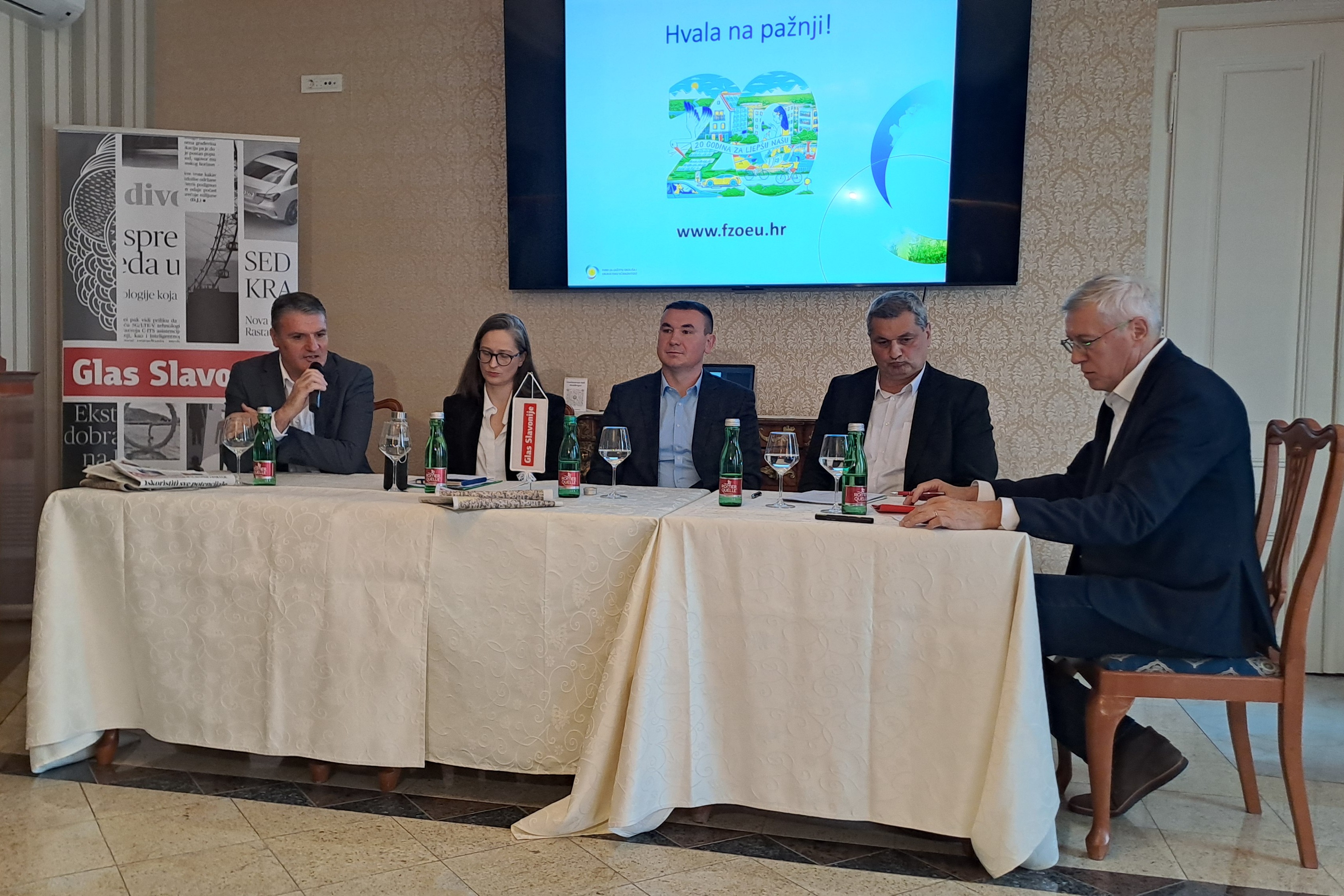
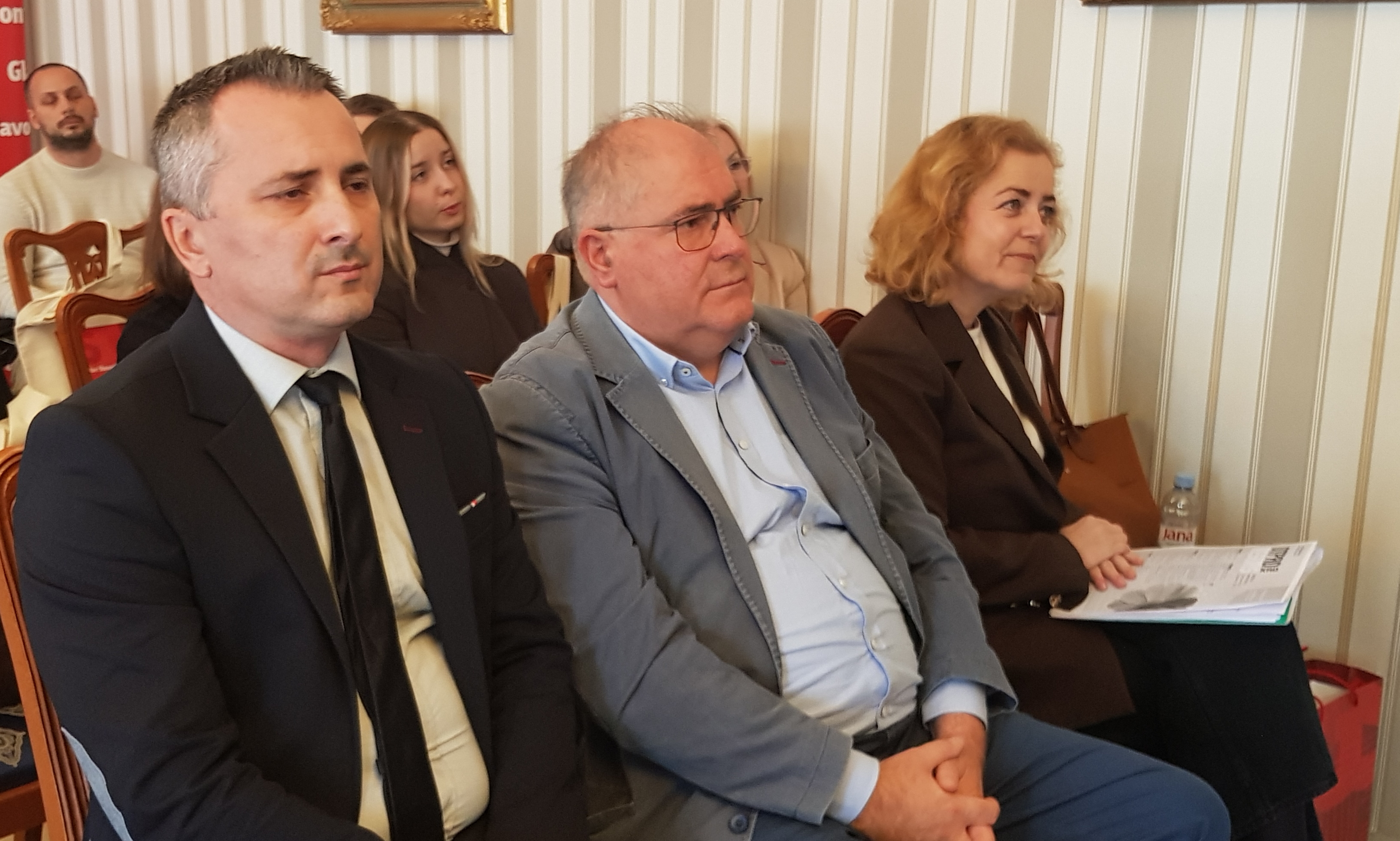
Croatia has made significant progress in the separate collection of municipal waste, but for the further development of the system, it is necessary to strengthen the capacities for its treatment, recycling and recovery. These points were highlighted at the conference "Waste as a Resource - Sustainable Croatia: Waste Management", organised in Osijek by the magazine Glas Slavonije with the participation of representatives of the Environmental Protection and Energy Efficiency Fund, local and regional self-government and experts from the waste management sector.Deputy director of the Fund Mirko Budiša pointed out that Osijek and Osijek-Baranja County achieve very good results in separate waste collection, but he also emphasised the need for further investments in infrastructure so that the collected waste can be reused to the greatest extent possible.
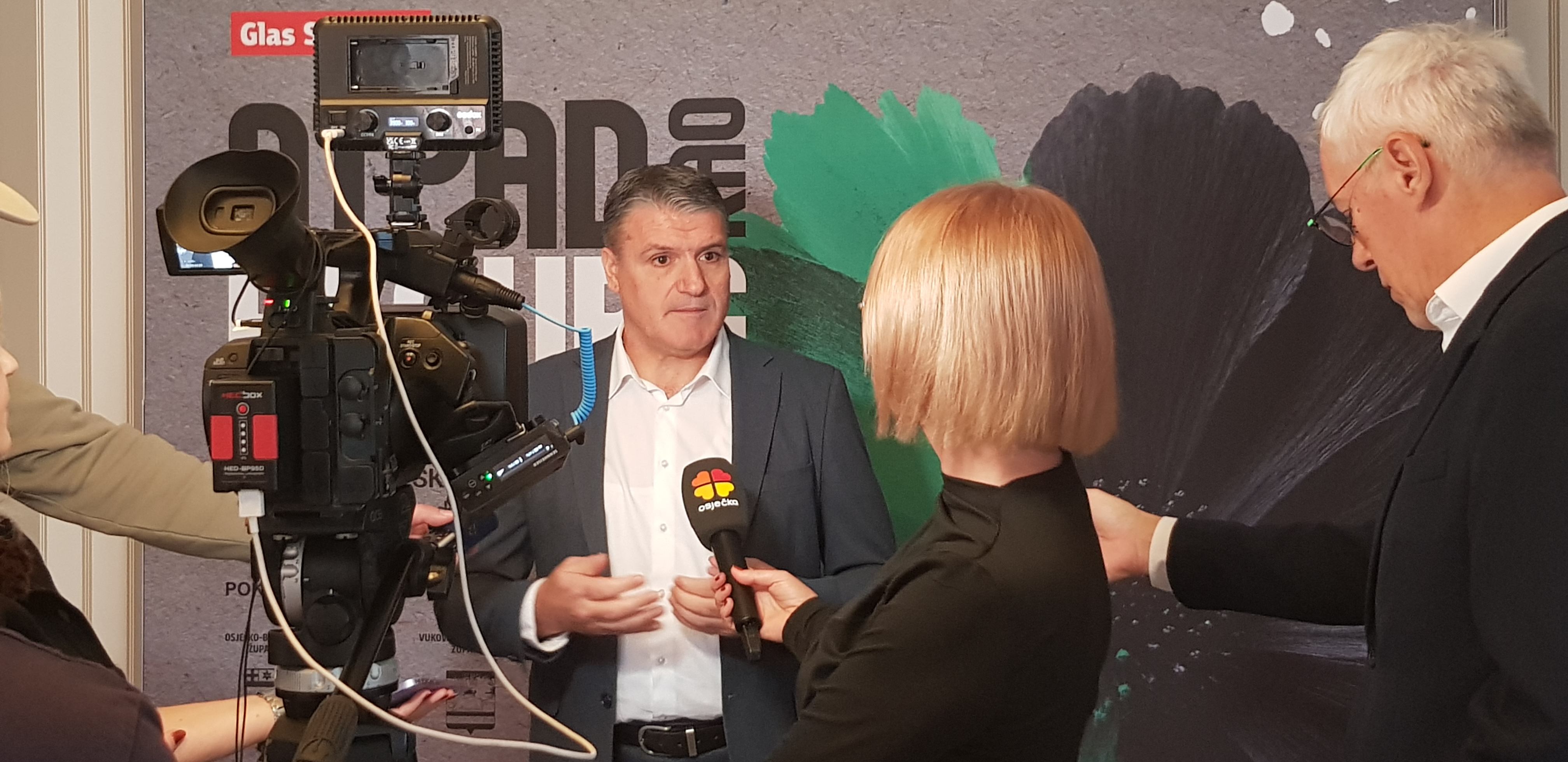
"In the last few years, through the Fund and the line Ministry, the Government has provided more than 600 million euros for utility infrastructure. We are particularly satisfied with the progress of Osijek, which has made significant headway in separate waste collection among large Croatian cities. The next important step is to ensure that as much of the collected waste as possible is used as raw material, and the part that cannot be recycled is used for energy production," Budiša pointed out.
Speaking about the development of the waste management system, he emphasised the importance of the Orlovnjak Regional Waste Management Centre, which will include Osijek-Baranja and Vukovar-Srijem Counties, as well as the Osijek Cogeneration Plant project. These projects will contribute to reducing the amount of landfilled waste, where recycling and energy recovery complement each other.
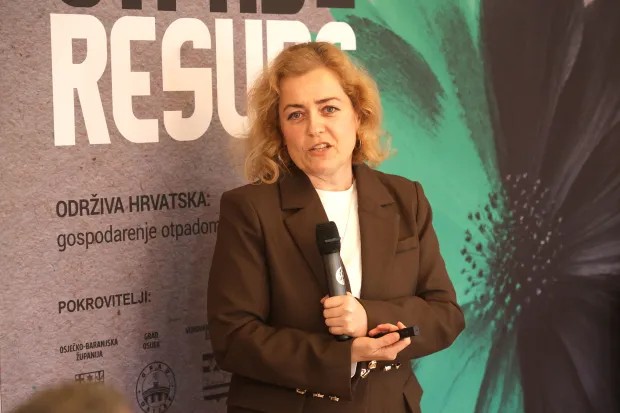
Maja Feketić, head of the Sector for EU Funds, also spoke about the development of the waste management system in Croatia, delivering a presentation on the planned waste management system with a special focus on waste management centres.
She pointed out that Croatia has made significant progress since 2004, from only two percent of separately collected municipal waste to 49 percent in 2024. In parallel with the increase in separate collection, infrastructure also developed, including civic amenity sites, sorting plants and waste management centres.
The Fund plays an important role in providing financial support to local community projects was highlighted. Among the more significant investments, the procurement of approximately 1.2 million containers for separate waste collection for 407 local self-government units, financed with approximately EUR 50 million from European funds.
The panel discussion also included representatives of Osijek-Baranja County, utility company Unikom from Osijek, and the company EKOS, who all confirmed that the key prerequisites for further progress were cooperation between local communities, infrastructure development and continuous education of citizens.
The Environmental Protection and Energy Efficiency Fund will continue to support the development of a comprehensive waste management system, with the aim of reducing the amount of waste ending up in landfills, increasing recycling and more efficient use of waste as a valuable resource.