

28.05.2026.
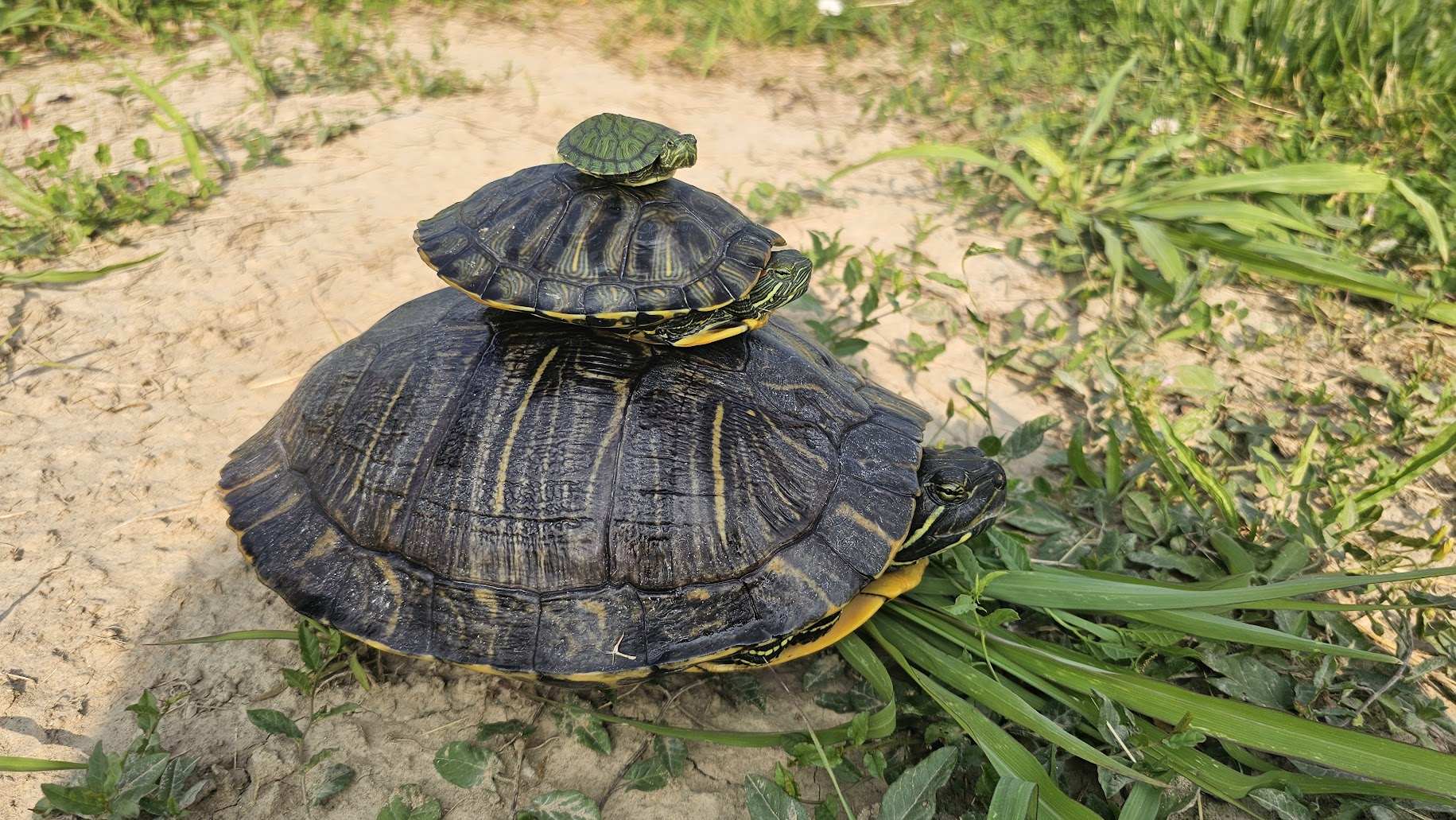
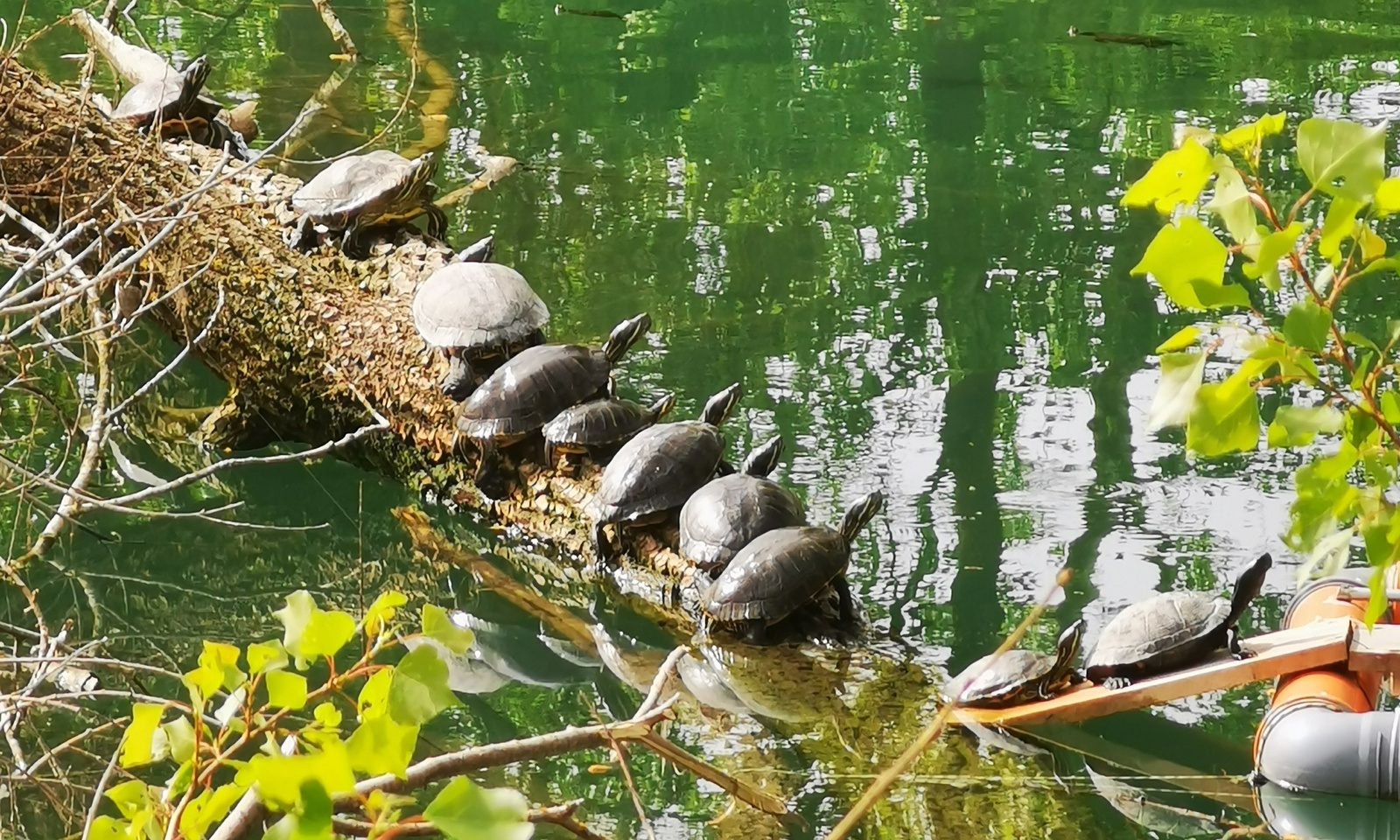
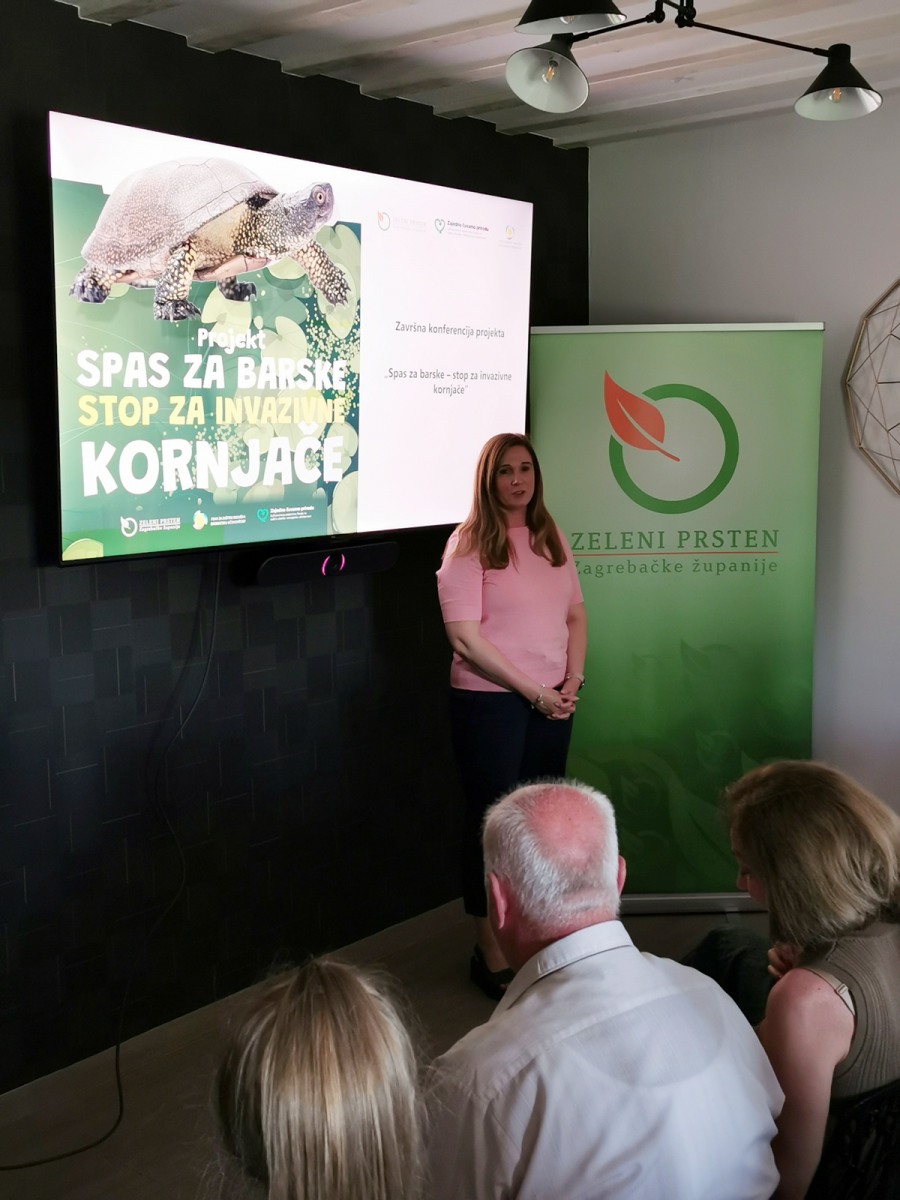
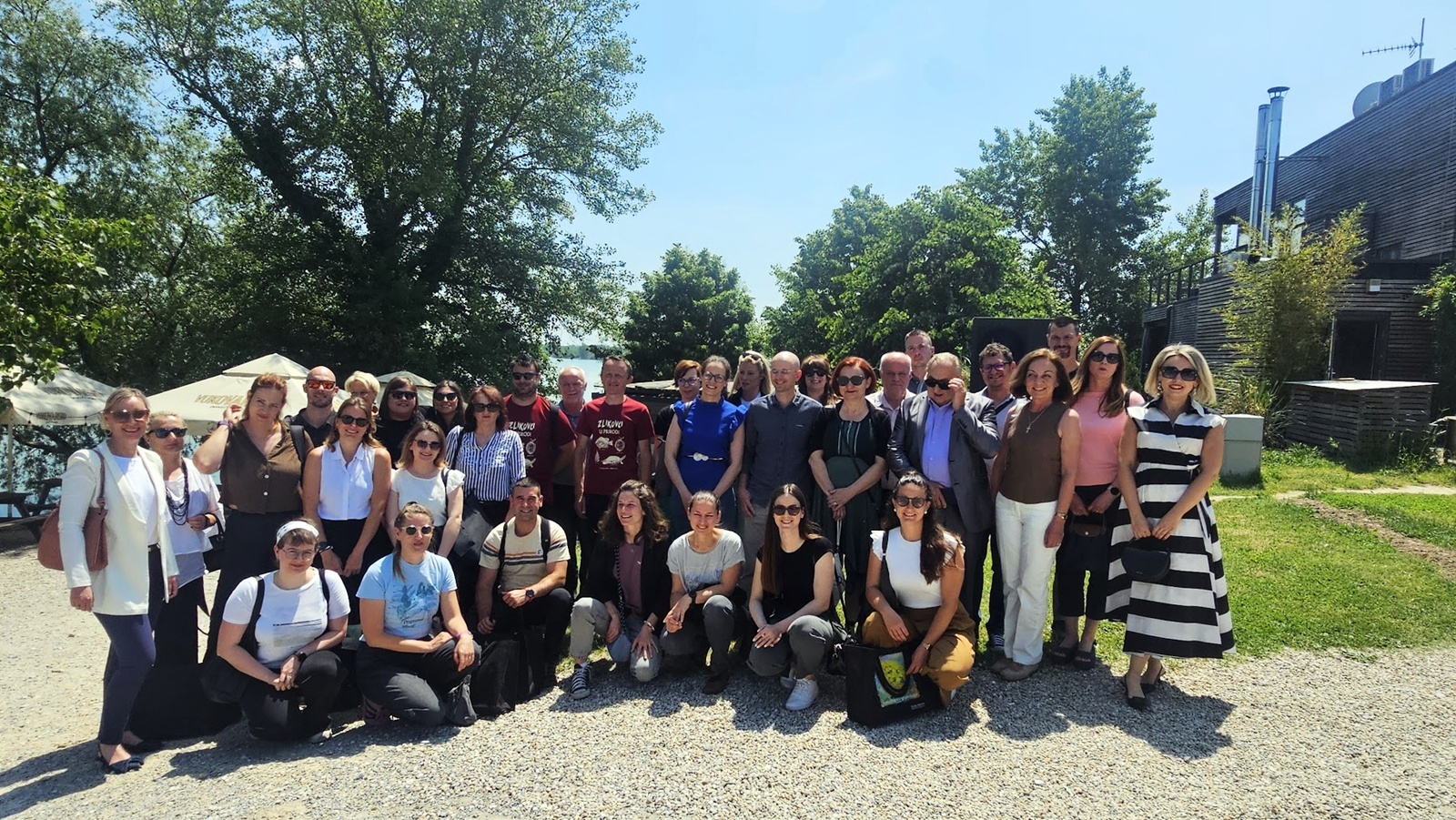
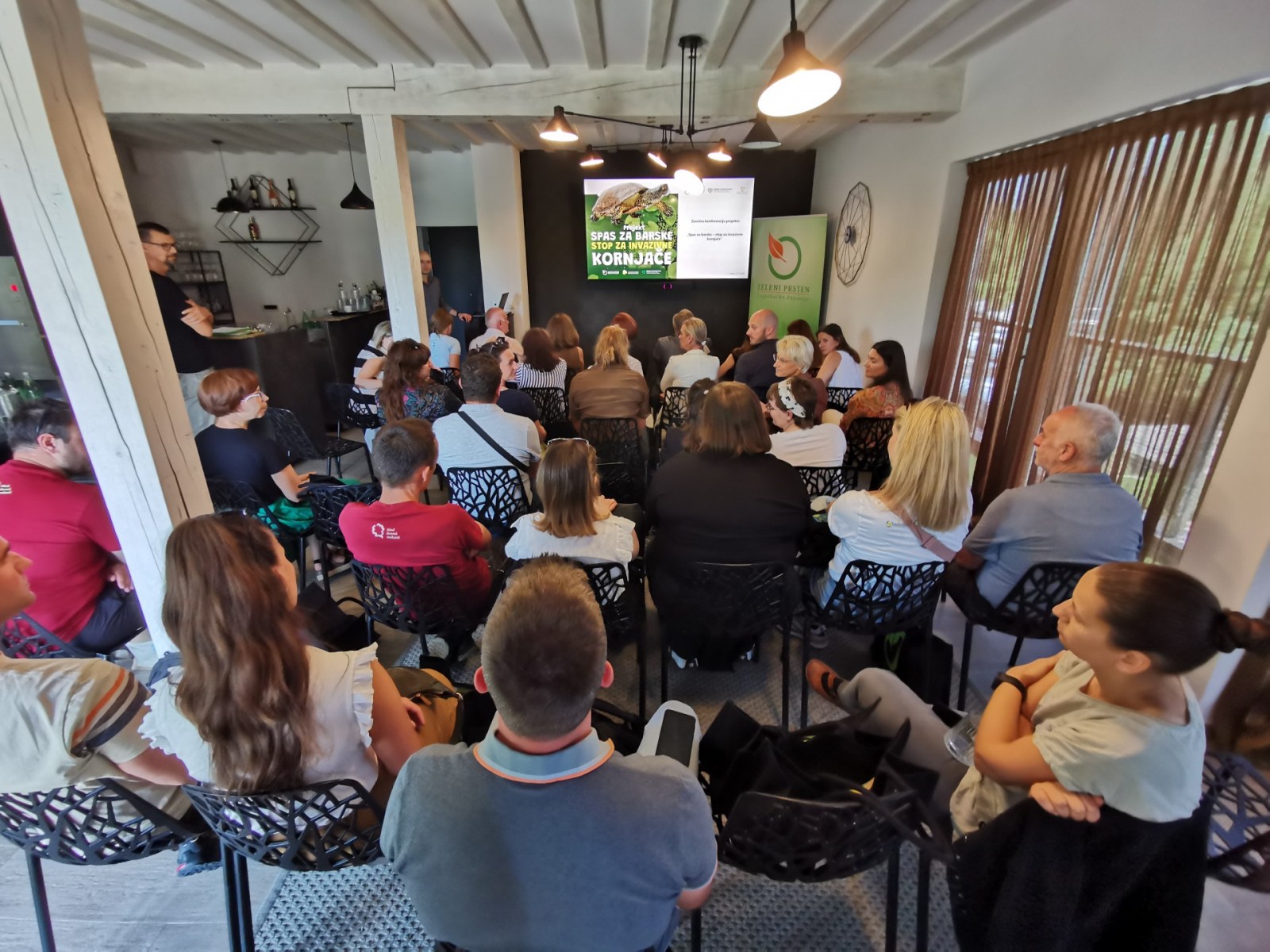
28 May 2026 - After three and a half years of intensive work, the project “Rescue for pond turtles - Stop invasive turtles” showed that systematic action can yield concrete results, which were presented at the closing conference held on Lake Rakitje. Within the project, more than 1100 of invasive red-ear slider and yellow-bellied slider turtles were removed from the area of Zagreb County, clearing the path for the recovery of the native pond turtle.At the final conference held on Lake Rakitje, During the project, employees of the Public Institution Zeleni prsten of Zagreb County carried out the removal of invasive individuals from 22 locations. These species do not naturally inhabit Croatia, and they most often end up in lakes, ponds and other aquatic habitats after their owners get rid of them from home aquariums and terrariums.
"Invasive turtles reproduce rapidly, take up space for native species, compete for food, and disrupt the natural balance of ecosystems. That is why their control is one of the biggest challenges in nature protection", it was pointed out at the conference.
That the project brings visible results is also confirmed by field observations - after the removal of invasive individuals, a larger number of native pond turtles was recorded, indicating to a gradual recovery of their populations.
Vlatka Gulan Zetić, the head of the Environmental protection department at the Environmental Protection and Energy Efficiency Fund, pointed out that in the past four years, the Fund had provided EUR 4.2 million for 26 for the removal of invasive alien species. One of the first projects to be fully financed was the protection of the pond turtles, for which more than 245,000 euros has been paid from 2022 up to date.
The director of the Public Institution Zeleni prsten, Tatjana Masten Milek, PhD, warned that red-eared and yellow-bellied turtles were among the most dangerous invasive species in the world and that the highest concentration of these individuals was recorded in the City of Zagreb, immediately followed by the area of Zagreb County. She extended special thanks to the Ministry of Environmental Protection and Green Transition, the Environmental Protection and Energy Efficiency Fund, and the Zagreb Zoo, which took care of a large number of removed turtles through its reception centre.
The representative of the Ministry of Environmental Protection and Green Transition, Petra Kutleša, presented the national system for the management of invasive alien species and pointed out that during 2025, a total of 594 invasive turtles were removed in Croatia, of which as many as 437 in Zagreb County, which clearly shows the scale of the problem in this area.
The president of the Zagreb County Sports and Fishing Association, Dubravko Šeketa, warned about the consequences that invasive species have for sport and recreational fishing. As he pointed out, invasive turtles reduce fish stocks, damage catches and often remove bait from hooks, creating additional problems for anglers.
The fact that the problem transcends national borders was also shown by the presentation of Tina Belej from the Institute of the Republic of Slovenia for Nature Conservation, who presented the experiences and activities of removing invasive turtles in Slovenia. The final part of the conference was dedicated to the exchange of experiences and examples of good practice among experts and representatives of institutions involved in nature conservation.
In addition to field activities, a significant part of the project was focused on educating the public. 23 lectures and workshops were held for children, anglers, and citizens, which were attended by more than 750 participants. Through educational materials and public activities, the important message of the project was highlighted - pets should do not belong outdoors and throwing them into the environment could have serious consequences for domestic species and sensitive ecosystems.
The project " Rescue for pond turtles - Stop invasive turtles" has once again shown that with the joint action of institutions, experts and citizens, we can give nature a chance to recover, and give endangered native species a new chance for survival.