

10.08.2026.
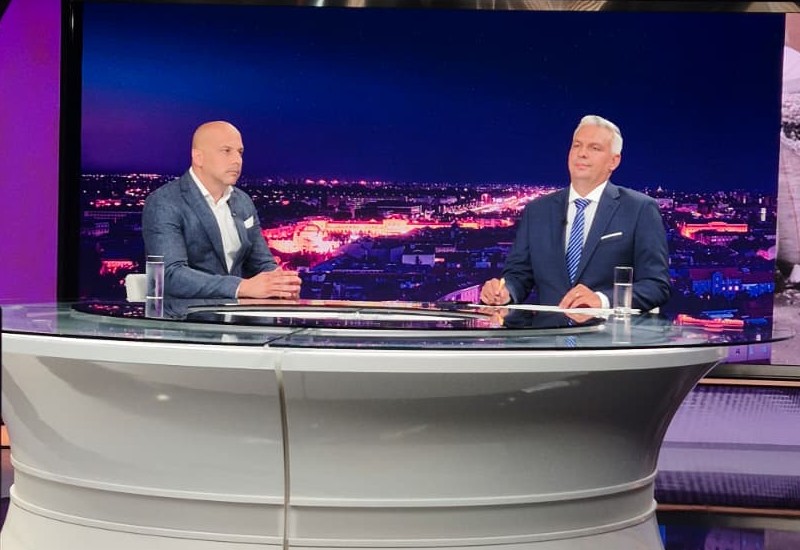
Speaking on the topic of waste remediation in Gospić on the broadcast RTL Direkt, the director of the Environmental Protection and Energy Efficiency Fund, Luka Balen, emphasised that those responsible for years of illegal disposal must be held accountable and punished. He said that the Fund, in cooperation with the Ministry of Environmental Protection and Green Transition, will solve the issue of removal and disposal of this waste in a legal, professional and permanent manner.The remediation process is divided into stages. "For part of the waste, the remediation procedure has already been initiated. Two procurements are underway for approximately 4,500 tonnes of bulk waste with hazardous properties and another 650 tonnes of non-hazardous waste, and the bids should be opened on 25 August," said the director of the Fund.
In addition to the waste visible at the location, a large part of the waste is buried in the ground, so the Fund, based on all available analyses and the recently published USKOK report, has launched a market research for the remediation of buried waste. "After receiving the full report, the Fund contacted about seventy hazardous waste landfills and incineration plants across the European Union to determine where such material can be disposed of and how much it could all cost. Unfortunately, Croatia has neither a hazardous waste landfill nor an incineration plant where such material could be treated," explained Balen.
He said that the citizens' concerns were understandable, but he believes that there is a lot of demagoguery, overgeneralisation, bell ringing and scoring political points on this topic.
"We are not running away from problem. We are solving it, and we have to solve it in compliance with the law. Had we tried to implement previous procurements by direct negotiation, the same people would be accusing us of preferential treatment or of overpaying," said Balen, adding that a negotiated procedure could be used in procurement, making leeway for a faster procurement, but is still within the legal procedures.
During September, the representatives of the civic initiative “Gospić je naš dom - Gospić is our home” will, as agreed, be presented with the chosen option of remediation and deadlines. According to Balen, such interventions usually take between a year and a year and a half, and for bulk waste the disposal period is up to a year.
The case of Gospić has also prompted an adjustment of the legal framework. "Amendments to the law that are in the urgent procedure should tighten the supervision of transboundary waste movement and the control of necessary notifications, more clearly determine the responsibility of individual institutions, from municipal wardens to inspectorates, and enable additional surveillance by cameras," Balen announced, emphasising that all this was aimed at ensuring that a similar thing should never happen again.
He pointed out that the Fund had both the financial and professional capacity to carry out demanding remediation, which is corroborated by the successfully completed remediation of the Varaždin bales, the removal of 120 thousand tonnes of waste slag at Crno Brdo, which was removed and recovered before the agreed deadline, adding that the remediation of the coastal part of Kosica in Vranjic, where asbestos waste is located, was also under way.